
Symposium overview
Through interdisciplinary dialogue and real‑world case studies, delegates identified the critical role of aligning skills with market demand, recognising informal expertise, and driving coordinated action across sectors. Kenya took centre stage as a primary case study, and leading policymakers, innovators, researchers and experts from industry and civil society explored existing approaches, lessons learnt, and new ideas to take forward.
The Green Skills symposium on 11 to 13 February 2026 was funded by the UK Government's Department for Science, Innovation and Technology, and delivered by the Royal Academy of Engineering in partnership with the United Nations Environmental Programme (UNEP), the Alliance for Greening Skills and Opportunities (AGSO), Jacob's Ladder Africa, and the Royal Society.
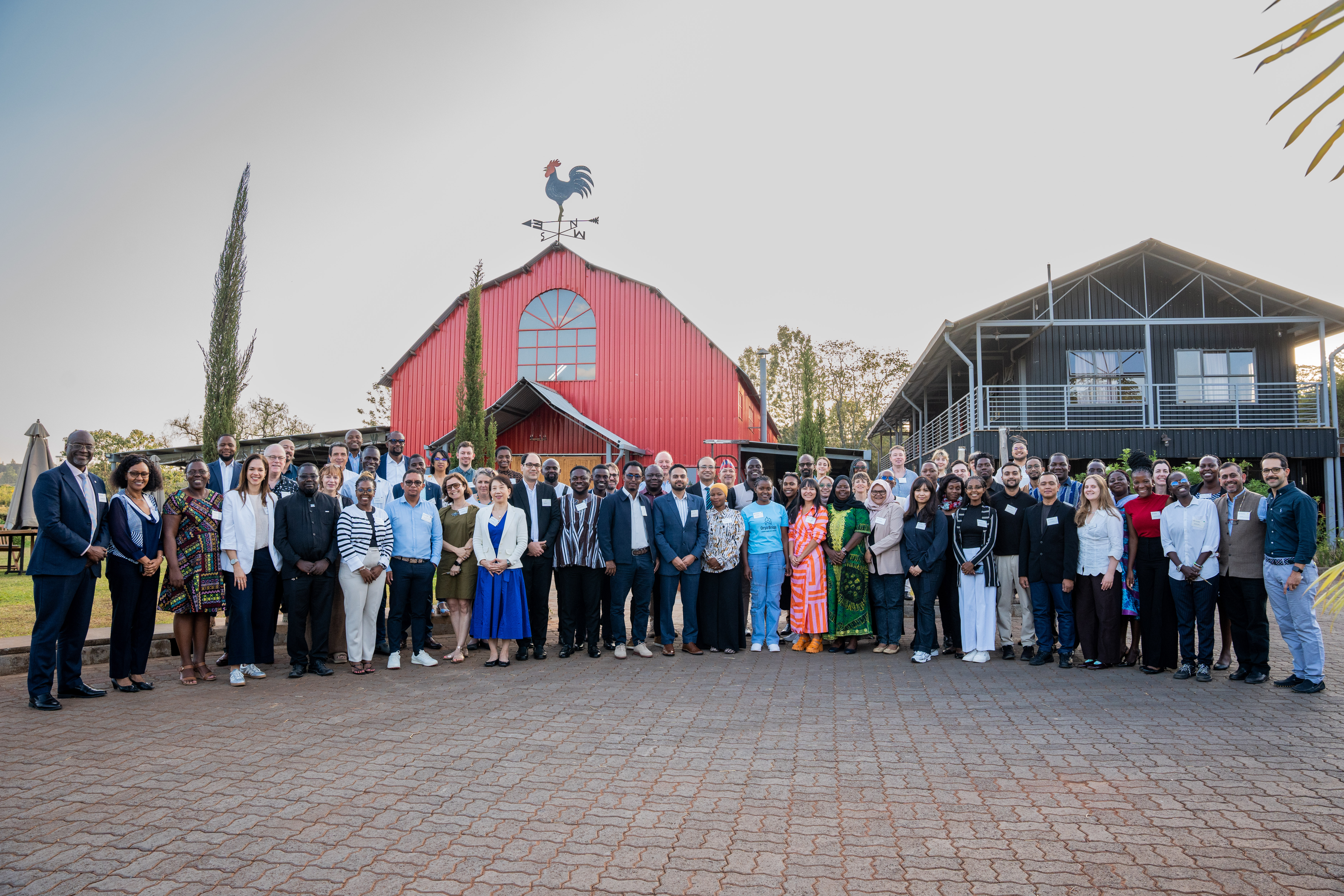
Green Skills Symposium Delegates Feb 2026
Post-event funding
Seed funding grants worth £20,000 over one year were awarded to nine successful collaborations developed via the symposium.
The selected projects span nature-based restoration, resilient agrifood solutions, environmental remediation, safe and low-carbon construction and energy systems, and inclusive pathways for green skills development and recognition. The countries of focus are Kenya, Uganda, Rwanda, Madagascar, South Africa, Somalia, Tanzania, Ghana, Colombia, Canada, Australia and the United Kingdom.
Key discussion themes
- Green skills are vital for a changing labour market: As economies face rising unemployment and climate pressures, people need skills that prepare them for both current and future opportunities.
- Innovation in the green economy depends on collaboration: Meaningful progress happens when engineers, policymakers, communities, innovators, businesses and risk-takers work together to grow ideas, attract investment and build resilience.
- Systems thinking drives lasting progress: Isolated efforts can lead to duplication. Coordinated action across government, industry, academia and communities enables solutions that are scalable, sustainable and adaptable to diverse contexts.
- Practical, inclusive and relevant programmes, recognition, and certification, matter: Recognising existing skills, strengthening certification pathways, and ensuring that opportunities exist after training are vital for long-term impact.
- Skills must match the jobs emerging in the green economy: Many industries are growing faster than training systems can keep up. Closer collaboration with employers and co-designed curriculum is essential to prepare people for the roles that actually exist.
Read more about these discussions below, or by downloading the full report.
Event chairs
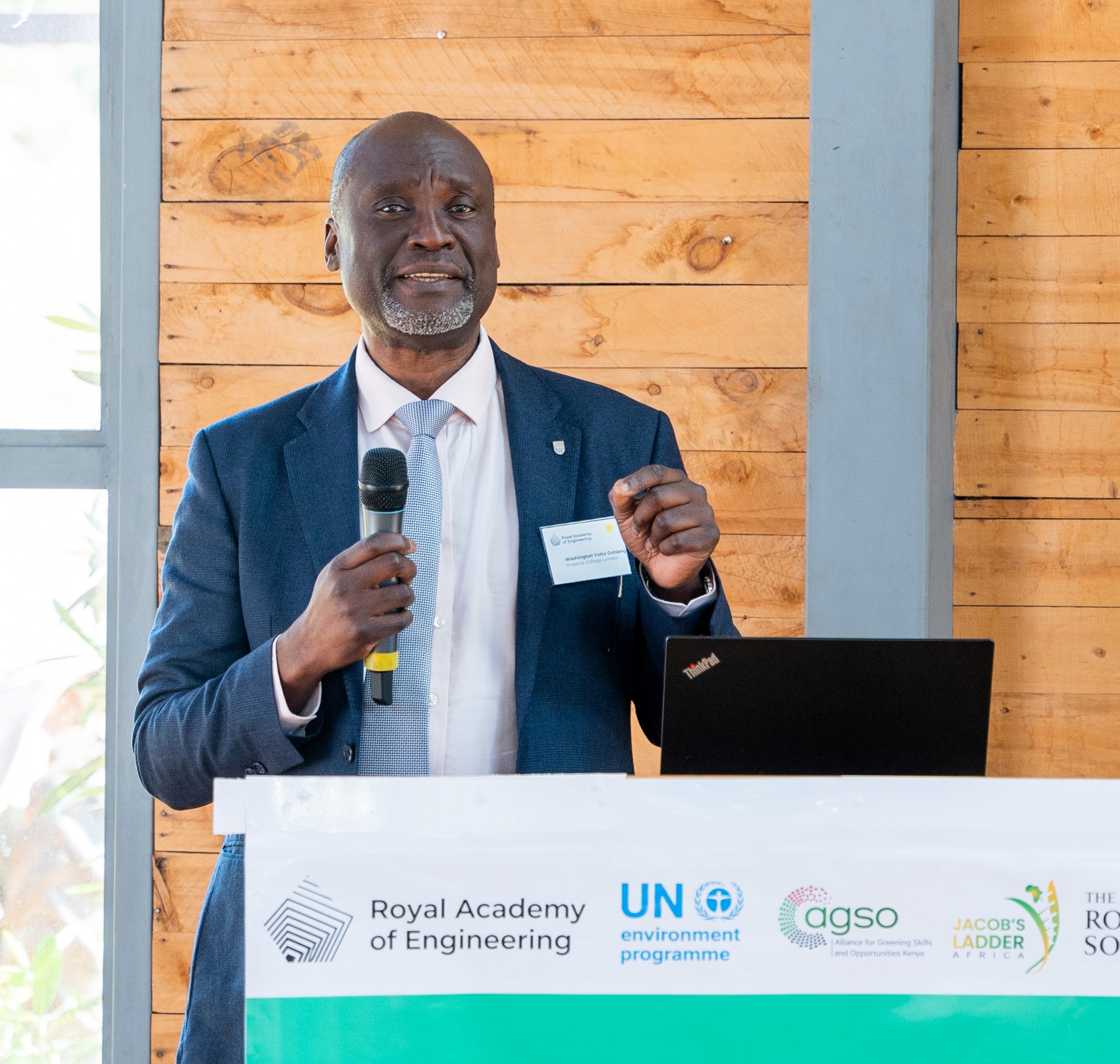
Professor Washington Ochieng, Imperial
Professor Washington Yotto Ochieng FREng
Imperial College London, UK
Professor Washington Ochieng is Head of the Department of Civil and Environmental Engineering and Director of the Centre for Active Resilience and Security at Imperial College London and a Fellow of the Royal Academy of Engineering. He is an educator, researcher and innovator in Space-based Positioning, Navigation and Timing (PNT) systems, critical infrastructure (including space) design and operation, user-centric mobility systems design and geomatic/geospatial engineering.
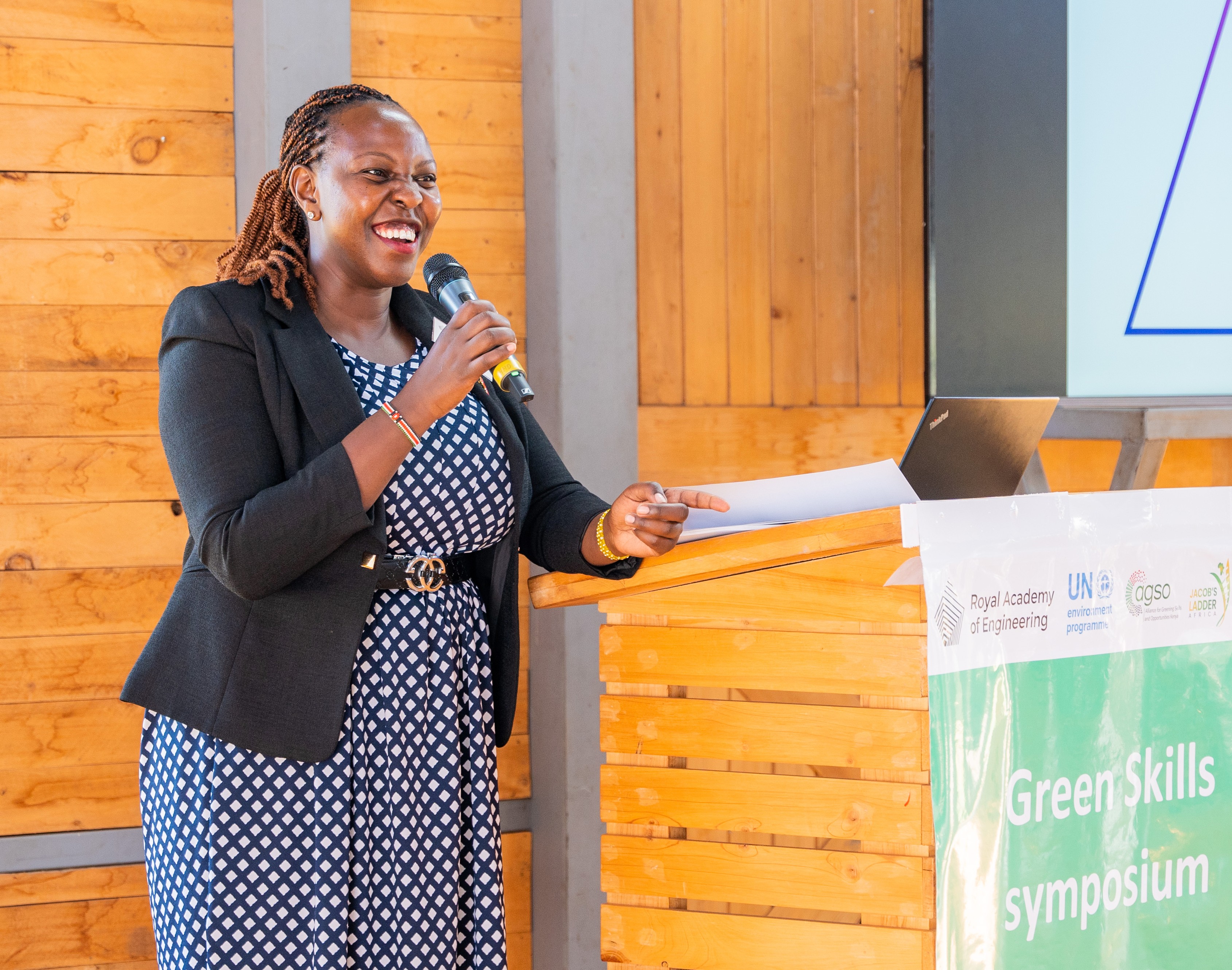
Mercy Kimalat, ASSEK
Mercy Kimalat
Association of Startups and SMEs Enablers of Kenya (ASSEK), Kenya
Mercy is a seasoned leader with over a decade of experience building the Kenyan and East Africa innovation and entrepreneurship ecosystems. She has supported capacity building towards facilitating access to investment and markets, and making it easier to do business across the region. As the Founding CEO of ASSEK, she represents more than 200 entrepreneur support organisations, advocating for the growth and development of startups and SMEs in East Africa.
Sessions and speakers
Advancing the green transition through innovation and business models
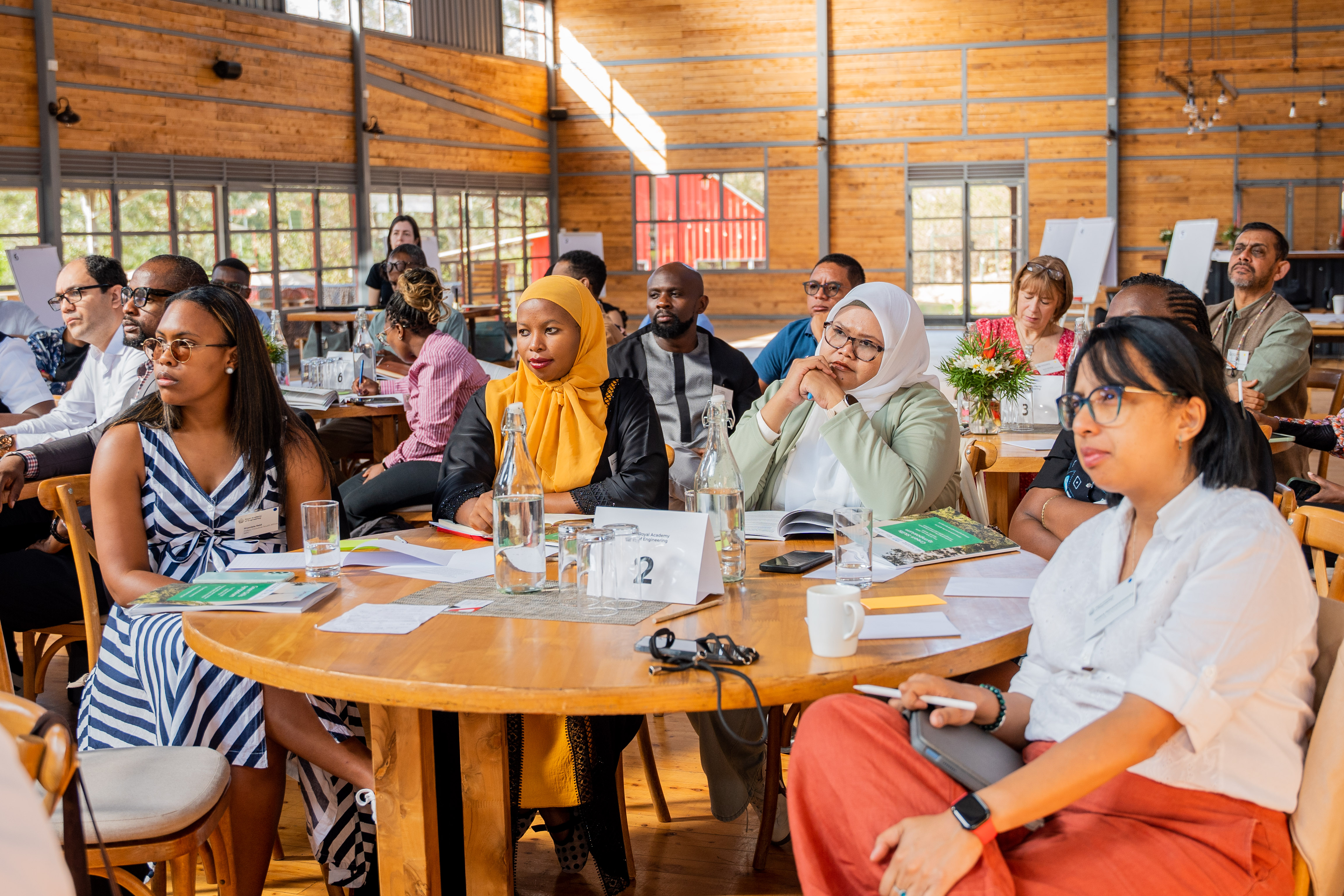
Delegates explored how green innovation translates into lasting impact, emphasising that scale is not automatic, but rather depends as much on business models, governance and finance as on technology itself. Speakers highlighted that successful translations require technical advancement and market compatibility, deliberate institutional design, and long-term capital.
Presentations
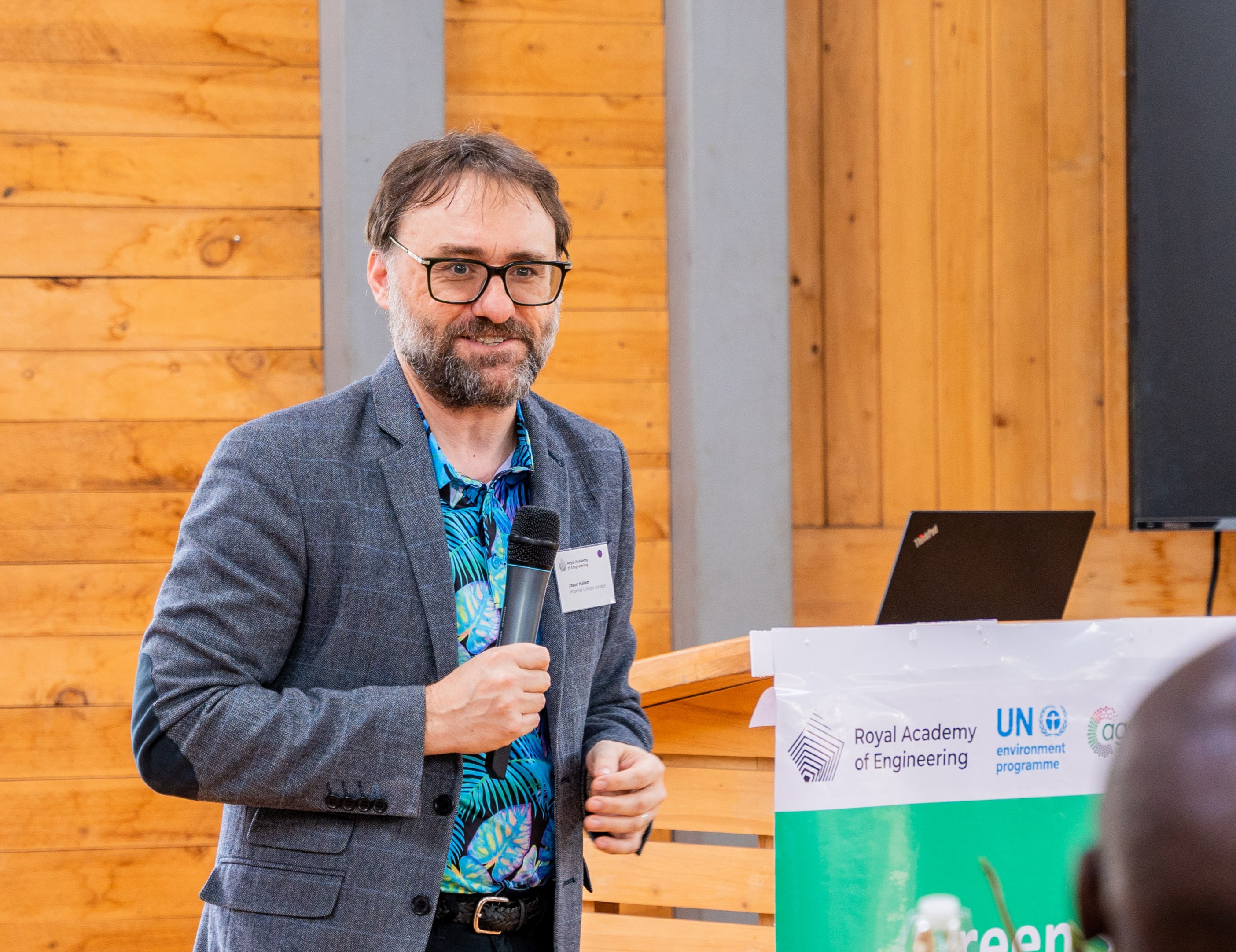
Controlled disruption: designing for scale
Jason Hallet
"We chose not to disrupt the product, but to reinvent how it is made. By creating familiar products, we ensured the market could adopt our innovation today, rather than waiting for a future that might never arrive."
Through case studies and experience, Jason shared how deep tech and social enterprises alike can prioritise commercial de-risking over technical de-risking, to improve sustainability. He argued that successful innovation depends on minimising disruption and prioritising economic viability over technical novelty. While innovation is inherently disruptive, Jason posited that limiting this disruption to specific "upstream" areas ensures that end-products remain compatible and feasible.
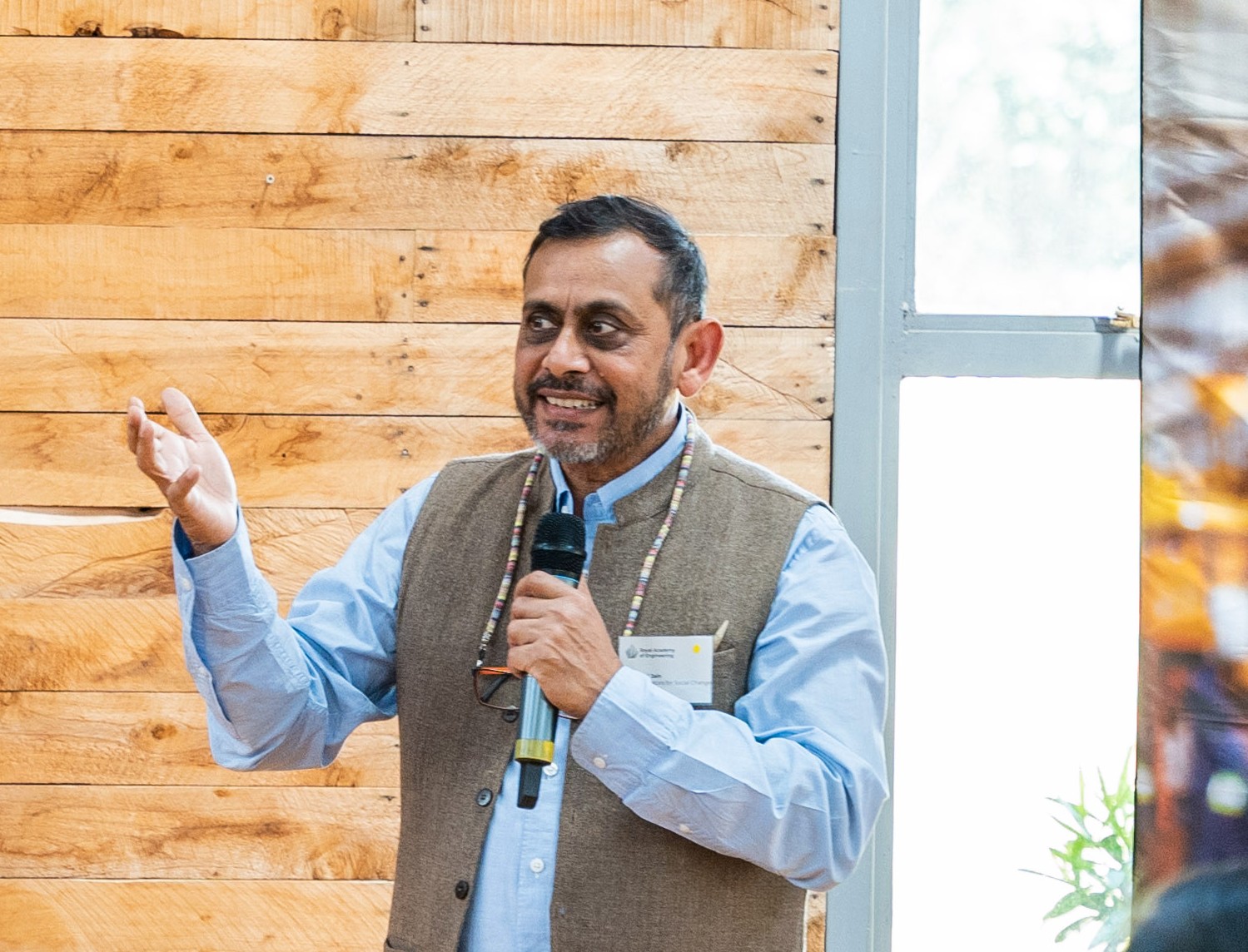
Local green transitions: risk, governance, and the long work of implementation
Anuj Jain
"Institutional design is a critical piece in understanding the ecosystem and how you develop institutions."
Anuj argued that institutional design and systems thinking are as critical to the green transition as technology itself. He presented two community-led case studies from Nova Scotia: a jointly owned wind and solar company formed by three towns, now supplying 63% of their energy needs and generating $1.2 million in community dividends; and a 120-person cooperative regenerating 15,000 hectares of depleted forest through timber, tourism, carbon markets, and education, achieving 60% financial self-sufficiency within a decade. Both cases pointed to the same conditions for success: communities having real ownership, access to long-term funding, and strong alignment between policy, finance, and governance. Anuj also cautioned that established private actors often push back against community-led models that threaten their position, making political support essential.
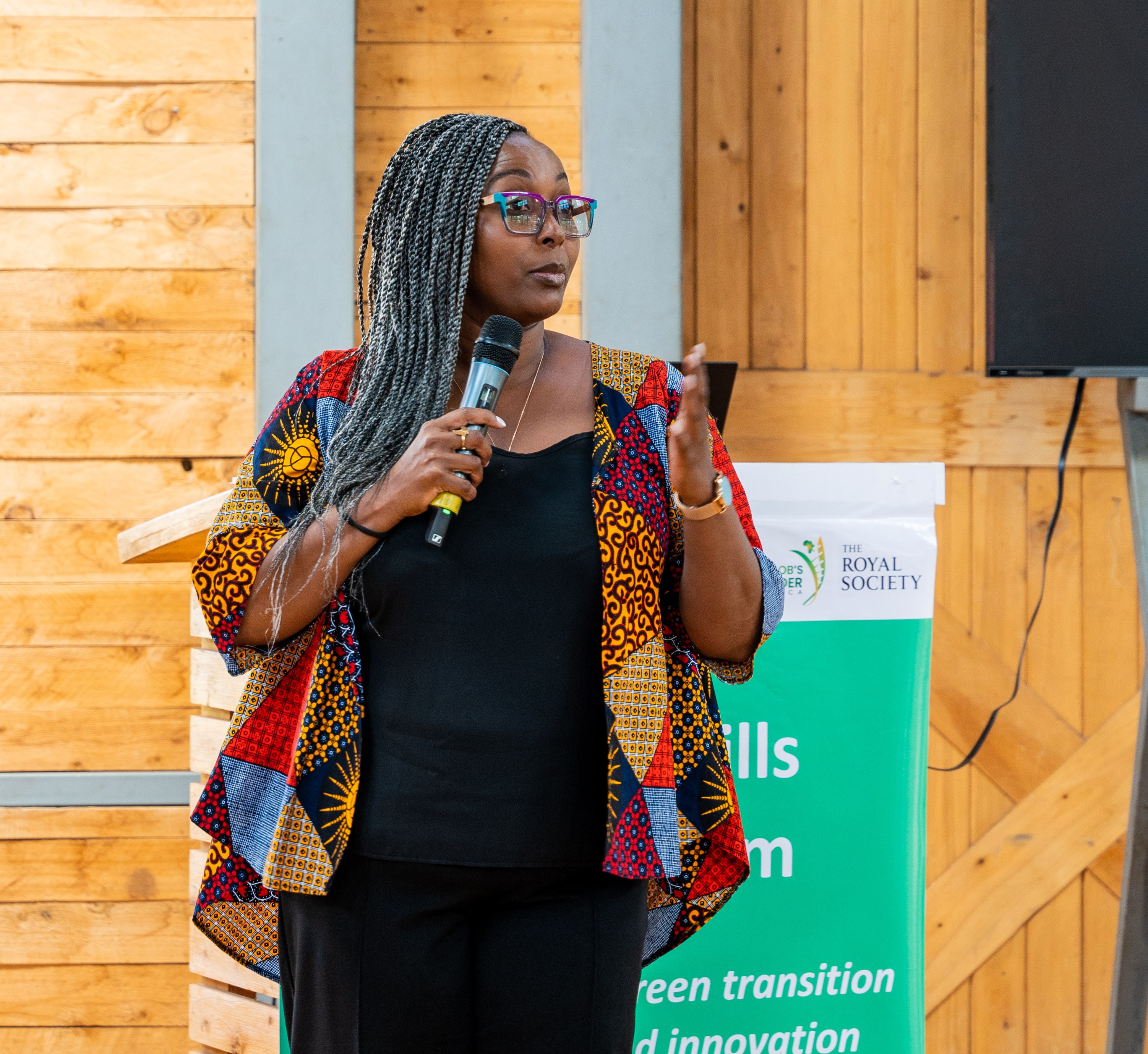
Is the support system fit for green enterprises? Ecosystems, finance, and scale pathways in Africa
Silvia Mwaura
"Scale is not an accident; it is a thoughtful, systemic design. As enablers, we must ask if we are truly equipped for the sectors we support, or if we are simply churning out numbers to meet short-term, unsustainable metrics"
Silvia also challenged the "disruption" narrative, arguing that current support models often prioritise donor-mandated surface metrics, such as short-term outputs and headline numbers, over the technical depth required for green innovation.
Drawing on the collapse of Koko Networks, Silvia highlighted how risk in the green economy falls almost entirely on the entrepreneur. She called for a more equitable distribution of risk across the wider ecosystem.
Strengthening certification pathways for decent jobs in the informal economy
The session examined how recognition and certification systems can enable informal workers to access decent work. Speakers highlighted the need to appropriately recognise existing skills through scalable approaches. This centred around recognition of prior learning (RPL), which assesses and validates what workers already know without requiring them to repeat formal training. Digital badging was also discussed, alongside persistent challenges around funding, assessor capacity, and employer trust.
RPL is especially important in developing economies, where most workers have built skills outside formal education. Traditional qualifications alone cannot capture the true depth of the available workforce.
Speakers stressed that certification must be linked to tangible benefits, including access to finance and formal contracts, and aligned with real labour market demand to ensure it translates into meaningful economic opportunity.
Presentations
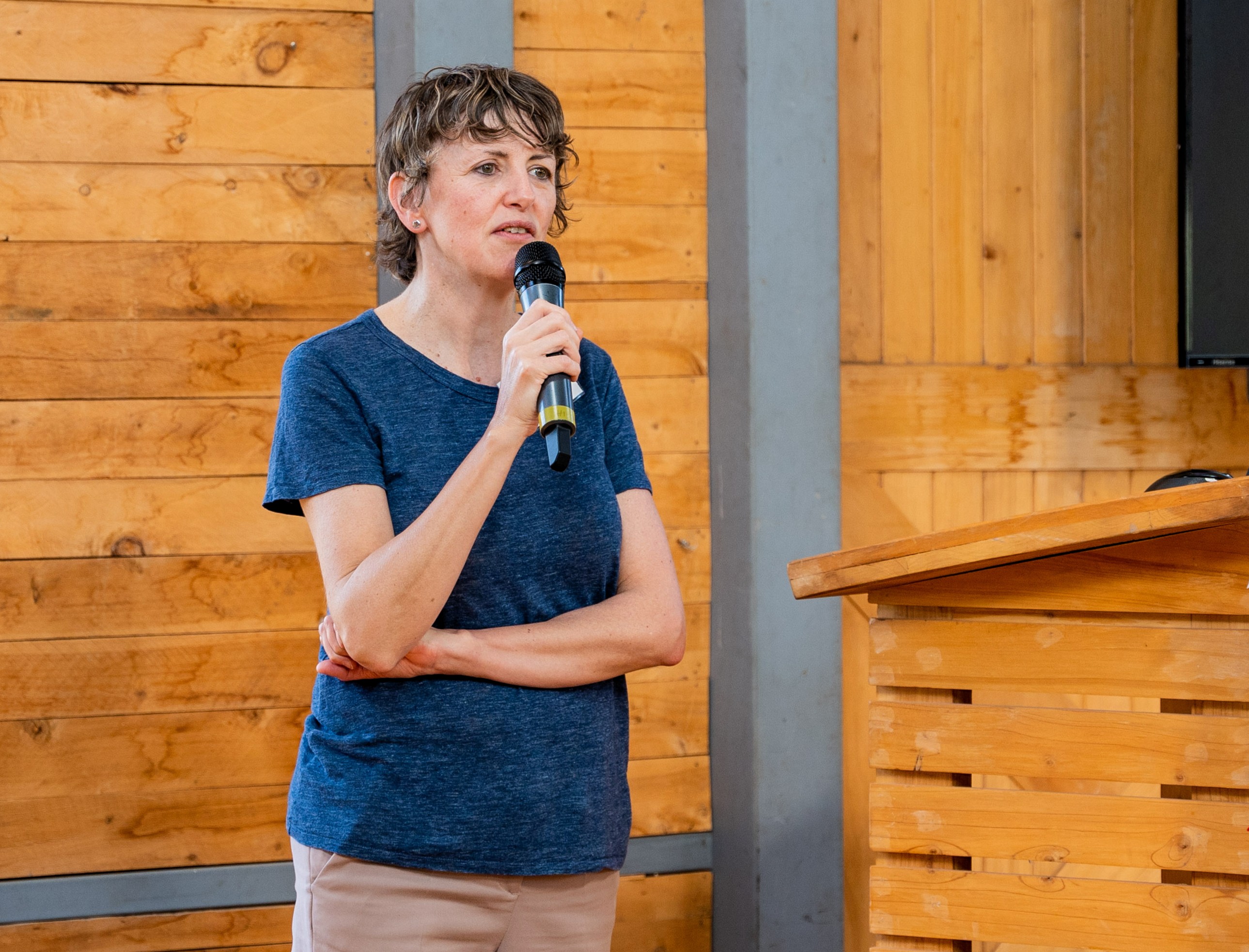
What is the global and national policy context for strengthening certification pathways for decent jobs in the informal economy?
Tracy Ferrier
"From a policy and systems level, we'll only get there if we take a holistic ... approach, if we are open about what we mean by recognition and commit to creating flexible pathways."
Tracy examined the global scale of the informal economy and its implications for the green transition, noting that the majority of the world's workers operate outside the formal economy. Without appropriate recognition of skills, informal workers face significant barriers to progression, decent work, and social protection, reinforcing the notion that RPL is a critical policy tool. She highlighted, however that many RPL systems exist only on paper, disconnected from realities of the informal economy.
Two panellists explored the Kenyan context, noting that of the 708,000 jobs created in Kenya in 2024, 90% were in the informal sector. While Kenya has established three qualification pathways which enable workers to apply for RPL online, a significant capacity gap remains, with 18 million informal workers and only 300 accredited RPL trainers.
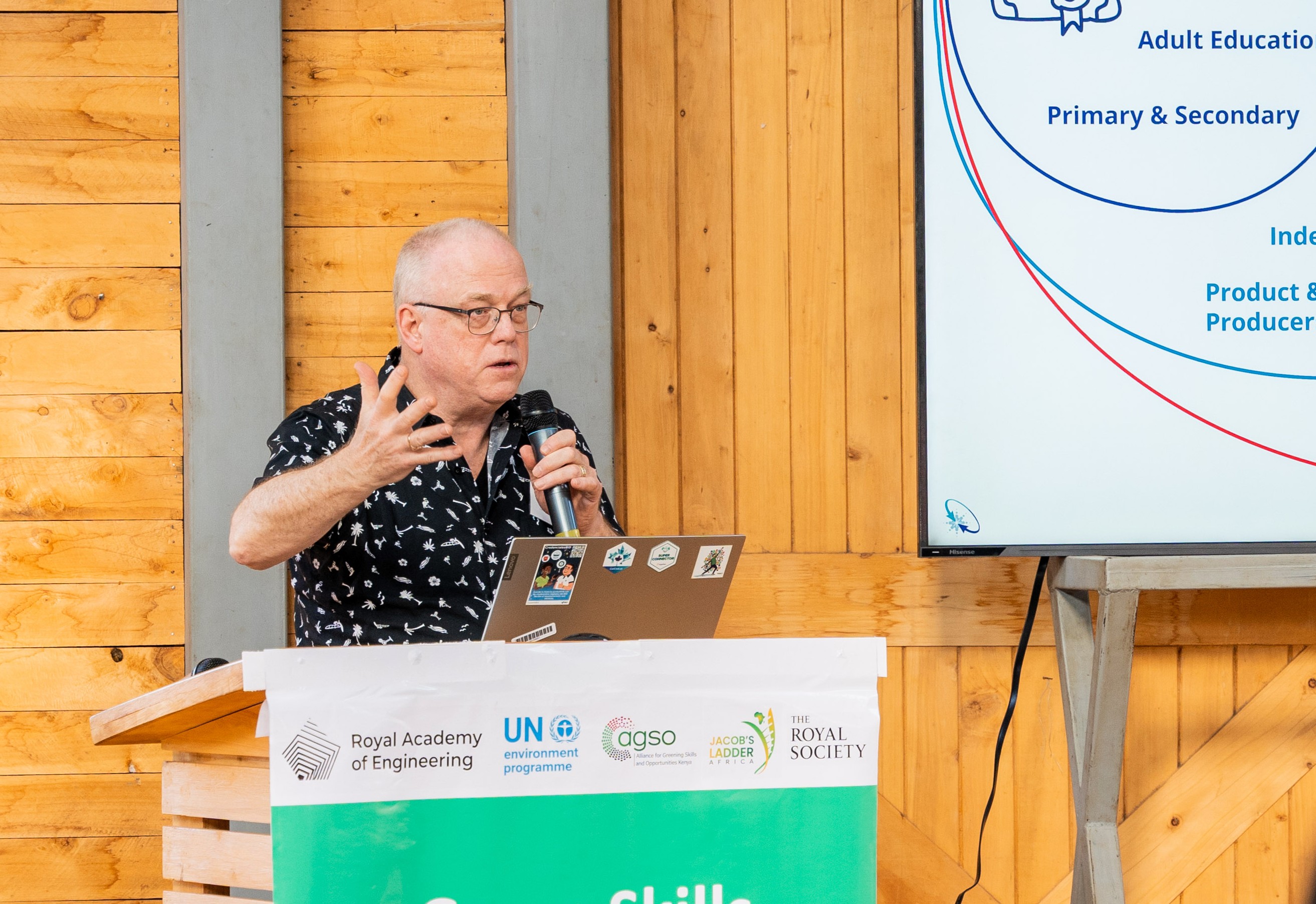
Opening up recognition, growing opportunity in a green economy
Don Presant
"If you do it right, you make learning visible by showing people the progression they can make in their lives, mapping their learning journeys and providing recognition that is truly personalised."
Don presented digital badges as an alternative recognition of skills beyond traditional qualification systems. He challenged participants to widen their perspectives about recognition, framing it not as a bureaucratic process, but as a fundamental human practice that builds human capital that empowers both the giver and the recipient.
Participatory approaches to bridging the skills gap
Delegates explored how participatory approaches bridge skills gaps by better linking communities, institutions, and labour market demand. Speakers emphasised the need for shared ownership, employer engagement, and inclusive decision-making, so that those most affected by economic transformation - or lack thereof - establish active roles in shaping it.
Presentations
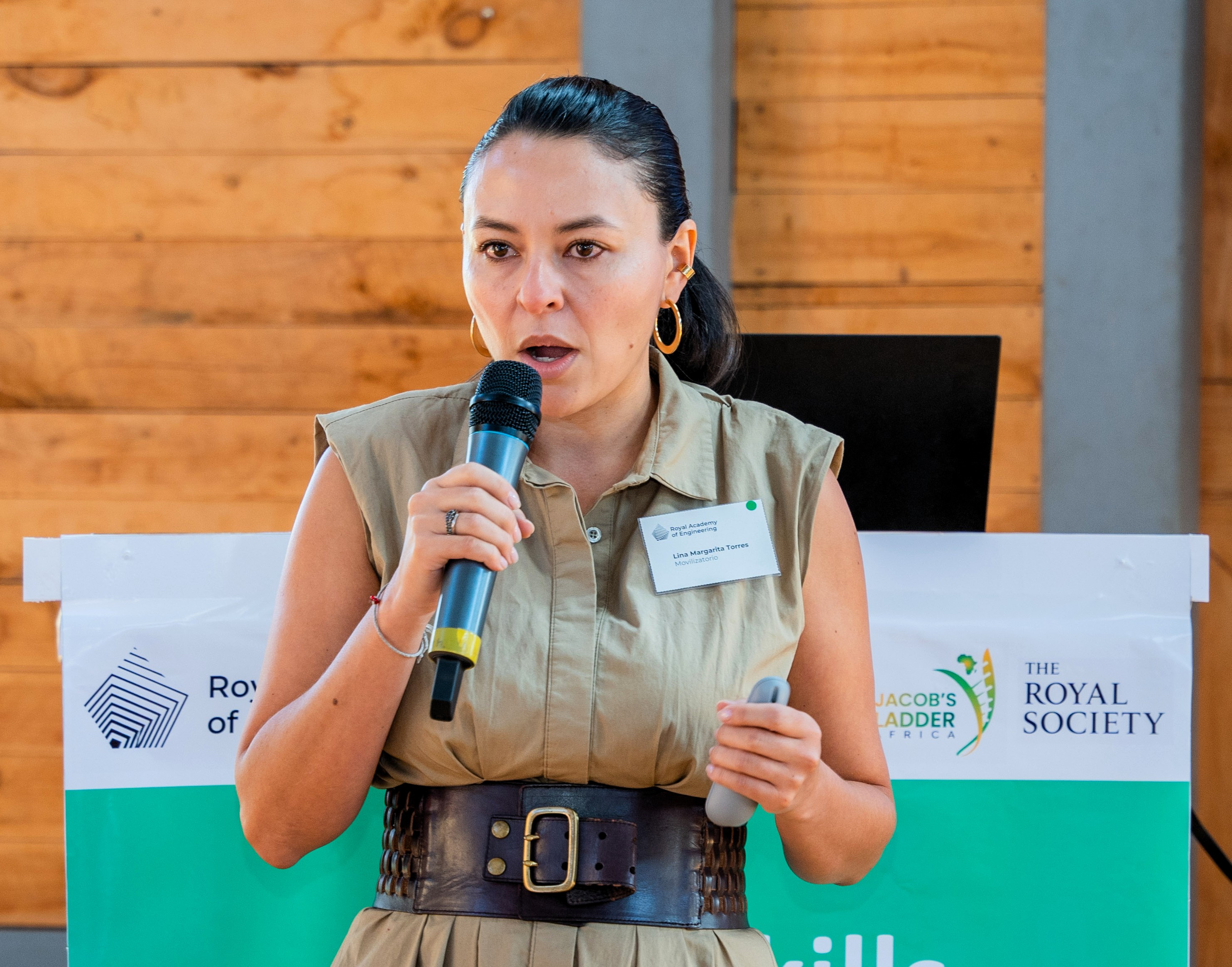
Mobilising citizen power in search of a socially and environmentally equitable world
Lina Torres
"We need citizen power that is intersectional because our problems are intersectional. We don't live in silos."
Drawing on a decade of experience bringing communities into transition processes at Movilizatorio, Lina shared participatory approaches that create meaningful power for citizens, including two complementary pathways:
- Collective action that builds political cover for decision-makers. Through strategic public pressure, broad support for change is signalled, giving decision-makers the confidence to act.
- Developing social infrastructure - from networks and institutions to skills and shared knowledge - that enables engagement on complex issues.
Tools discussed included closed-door lobbying, media coverage, research, and international influence, which can be deployed to create this cover and enable leaders to act.
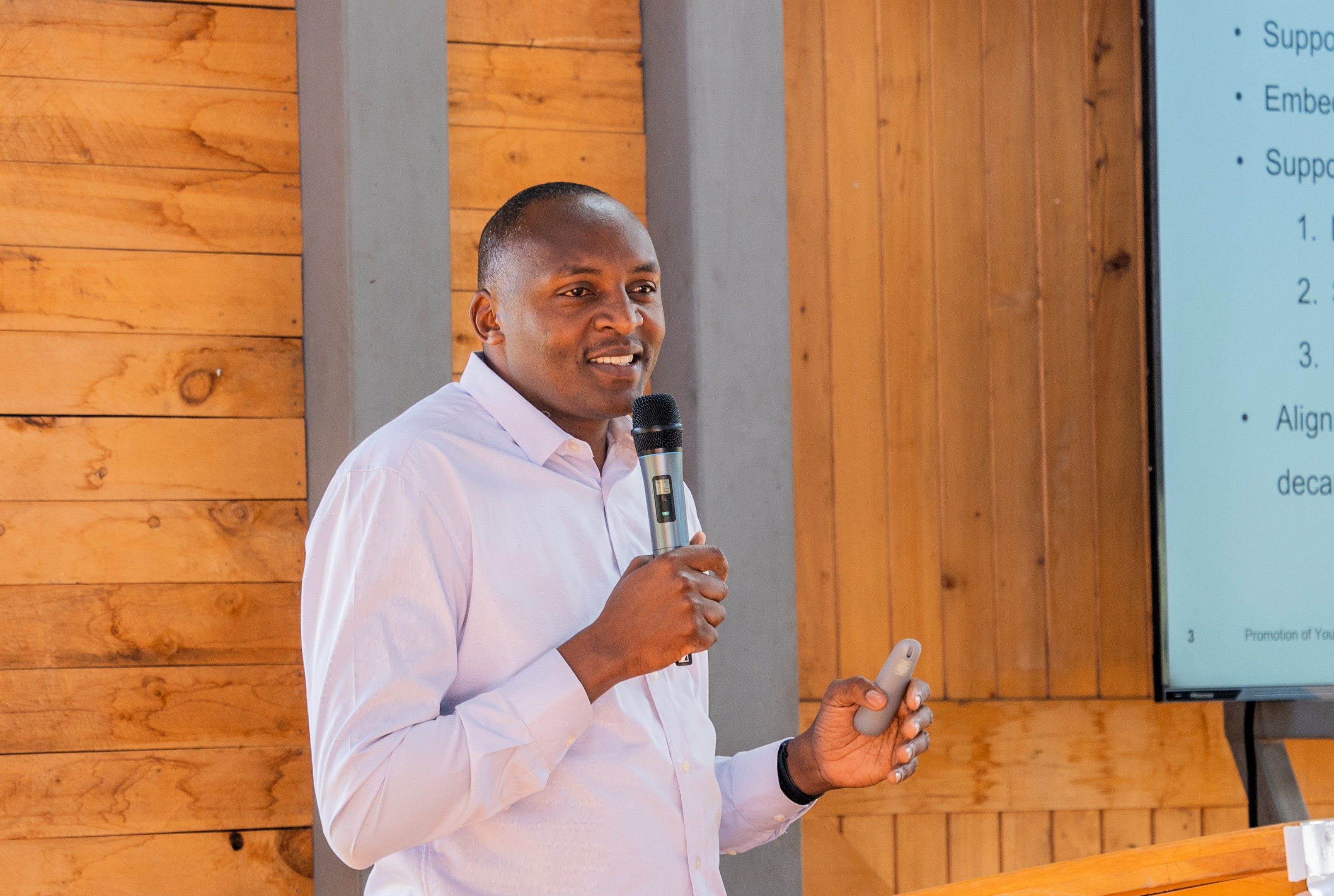
Strengthening Kenya's TVET ecosystem
Emmanual Choge
"In Kenya ... we have a supply system in academia which doesn't speak to the demand."
Emmanual shared the GIZ's Promotion of Youth Employment and Vocational Training Project, which involves the private sector in order to ensure skills meet real market demand. Stressing the need to go beyond surface-level actions like adding a single green model or relabelling courses, Emmanual argued for the need to embed sustainability across curricula by, for example, integrating renewable energy systems, resource efficiency, and climate adaption into core technical training.
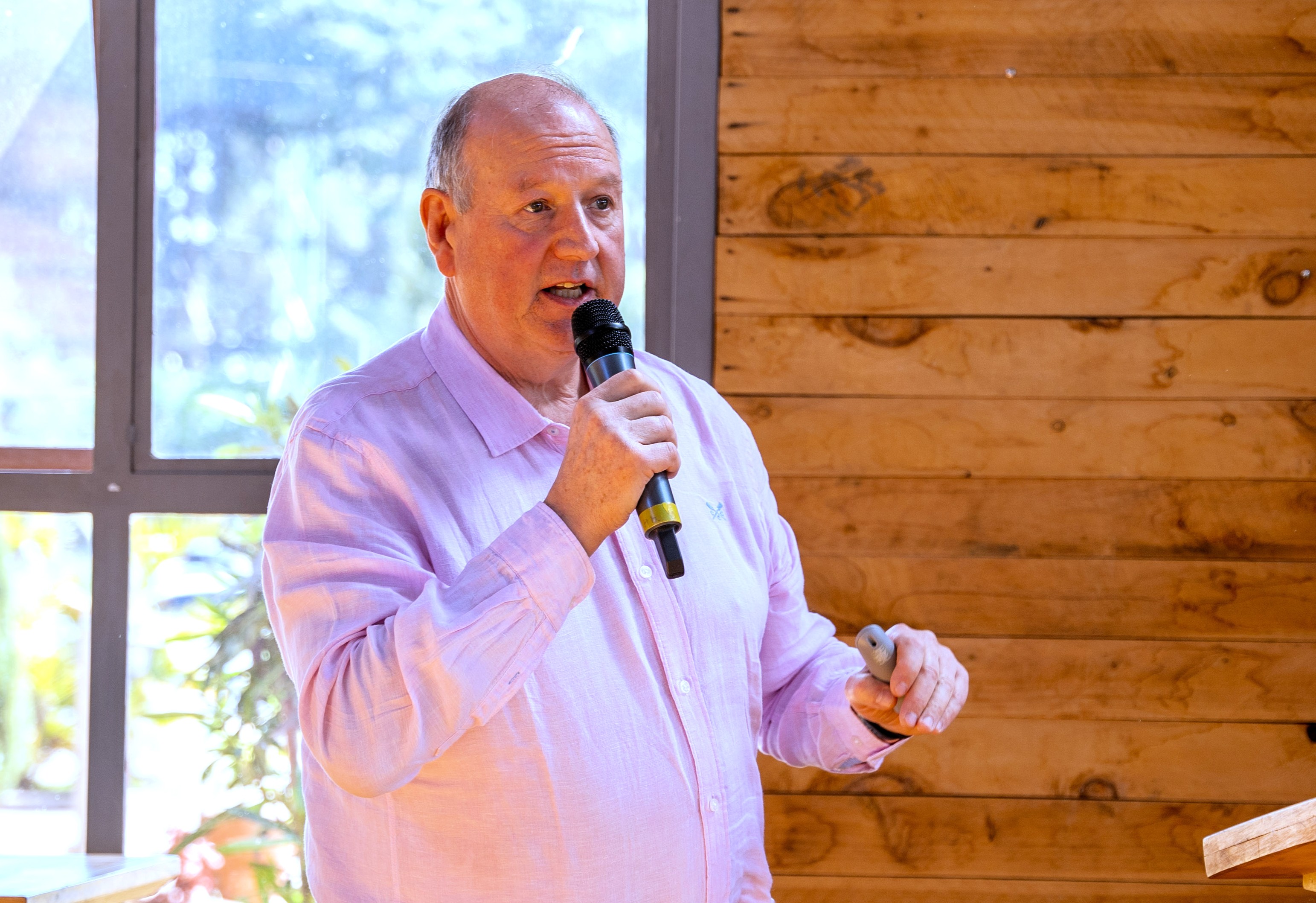
Addressing skills gaps through the Skills Centre
Jon Prichard
"The purpose of education is to create the habit of mind such that when you've forgotten all you've been taught, you know how to proceed."
Jon introduced the Royal Academy of Engineering's Skills Centre, a national hub to help engineers and practitioners keep pace with technological changes in areas like AI and clean energy.
He showcased the Connect Northumberland case study, where community-led skills development addresses regional skills gaps and youth outflow by bringing together 70 employers across the Newcastle-Northumberland area to develop leadership, digital literally and practical skills among SMEs in particular.
Keynote Speaker
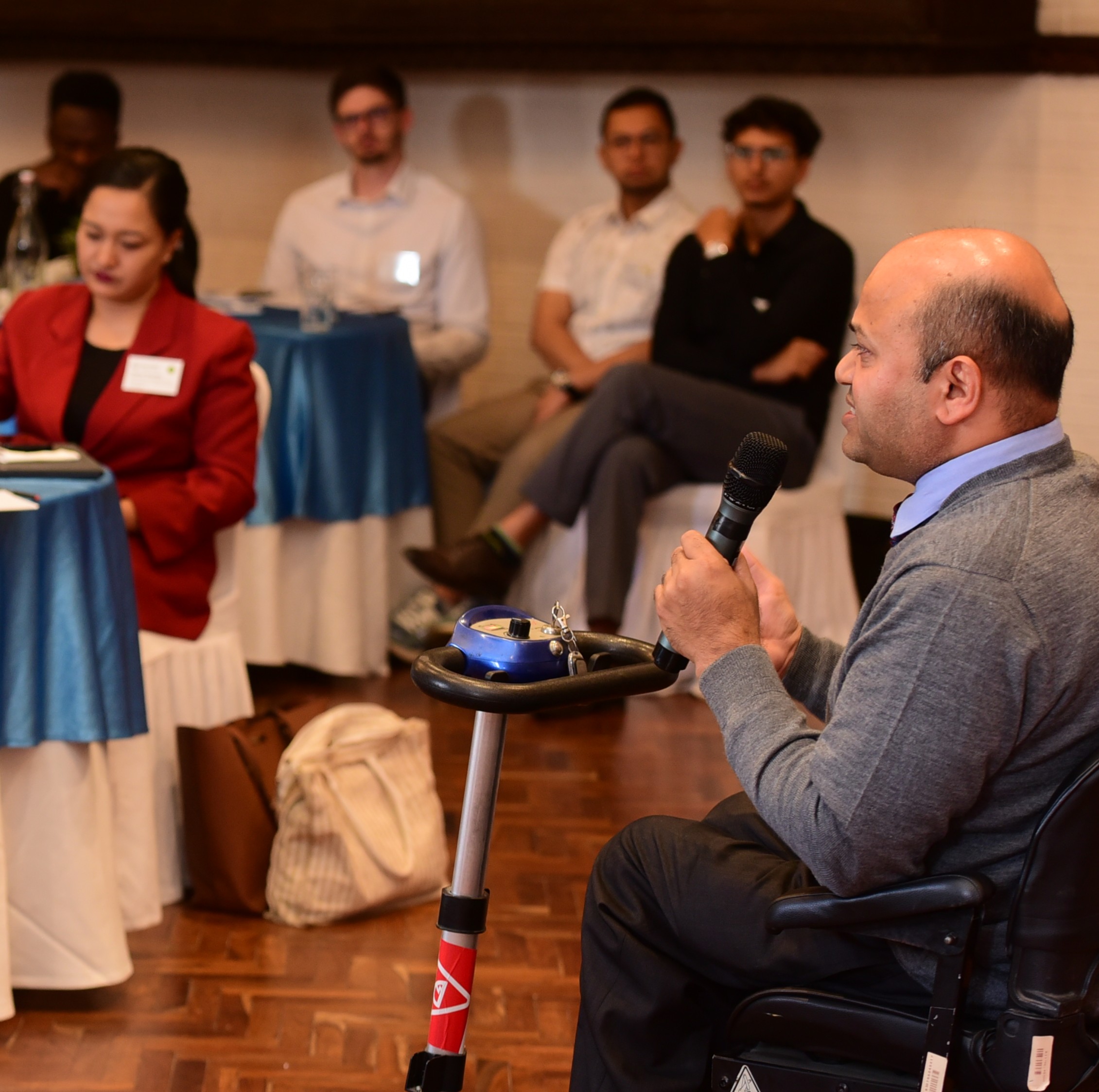
Elizabeth Wangeci Chege, Board of Directors of World Green Building Council
Elizabeth posited that green skills are no longer a nice specialism, but a core engineering competency. Critically, scaling the green transition requires more than innovation, she said. It demands a full delivery chain of people who are capable of designing, procuring, installing, commissioning, verifying, operating, and retrofitting sustainable solutions.
Panelist Leslie Igiraneza further empahsized the gap between technical potential, and economic viability. an energy associate at Bayes Consulting, Leslie shared that e-mobility is a key driver of Kenya's green transition, and one that stimulates energy demand, and enables utilities to reinvest in broader energy access.
Entrepreneur Tracy Kimathi from BARIDI demonstrated how solar-powered cold-chain solutions address food loss, having preserved more than five million kilograms of food since 2021. She highlighted, however, how much import dependencies continue to inflate prices, limiting reach among low-income consumers.
The importance of systems thinking in clean energy transitions was surfaced by panellist Rufus Karanja, from Renerge Resources Ltd, who showed that energy transitions and food security are deeply interconnected.
And finally, Leanard D'Cunha from ZIDI Solar Africa's work on end-to-end manufacturing in Kenya pointed to a broader insight: trusted data infrastructure is as important as physical infrastructure in unlocking green finance.
Interested in the next Frontiers symposium?
Frontiers connects and empowers enthusiastic researchers, innovators and practitioners from the UK and around the world to work together on new ways to solve complex global challenges.
More Symposia reports
Browse resource libraryAgriculture, big data and the knowledge economy
The event brought together 66 early- to mid-career researchers to share ideas and discuss development challenges arou…
Empowering resilience: integrating innovation, sustainable communities, and climate adaptation strategies
Delegates from different disciplines and 19 countries came together to explore innovative climate adaptation approaches…
Systems approaches in a just energy transition for equitable access
Delegates from different disciplines and 23 countries came together to discuss how systems approaches can support the t…