
The Skills Centre is a transformational partnership-led initiative that brings together industry and education to strengthen the UK’s engineering skills base for the future.
It builds on decades of support the Academy has provided to further and higher education institutions and draws on the proven success of our skills and equity, diversity and inclusion (EDI) programmes. This work places a major new focus on workforce upskilling.
What is the Skills Centre?
Our engineering ambitions can only be realised with a workforce equipped with the latest skills and knowledge to harness emerging technologies and solve complex economic and social challenges.
Our aim is for the Skills Centre to act as a national catalyst for transforming engineering skills across the UK - driving large-scale workforce upskilling, keeping further and higher education provision aligned with industry needs, and embedding inclusive cultures across the sector.
We work in partnership with engineering skills bodies across sectors to support the skills development of engineers and technicians across the UK.

Core operating functions
Skills Observatory
An online hub providing insight, analysis, and research on current and future engineering skills needs.
Learning Hub
A central digital platform signposting high-quality learning resources and training programmes for engineers and technicians.
Regional Skills Partnerships
A national workforce upskilling programme built around the Academy’s growing network of regional hubs.
Who is the Skills Centre for?
The Skills Centre will support a wide range of users, including:
- Employers looking to upskill their workforce
- Lecturers and educators searching for ready-to-use teaching resources
- Students, engineers and technicians eager to keep up to date with the latest technology developments.
We will work in partnership with skills organisations, professional bodies and research institutes to ensure that engineering and technology skills meet employer needs now and in the future.
Addressing the UK engineering skills shortage
The UK engineering sector is facing a long-standing skills shortage alongside a persistent lack of workforce diversity.
The current education and skills system is not keeping pace with industry needs, leaving employers struggling to fill critical roles and engineers unable to upskill fast enough.
As technology continues to evolve at speed, many engineers and technicians are finding it difficult to adapt. At the same time, employers report ongoing challenges in recruiting people with the right mix of technical, digital, and interdisciplinary skills.
Skills shortages are particularly acute in areas that are vital to the UK’s strategic priorities, including:
- Digital transformation
- Emerging technologies
- The transition to net zero
Although future skills needs vary across engineering sectors and regions, there is a broad consensus that technical, digital, and interdisciplinary skills will be essential for the future workforce.
These gaps are not only limiting economic growth but also slowing innovation and the adoption of new technologies across engineering-driven industries.
Key factors contributing to the UK skills gap
Keeping pace with technological change
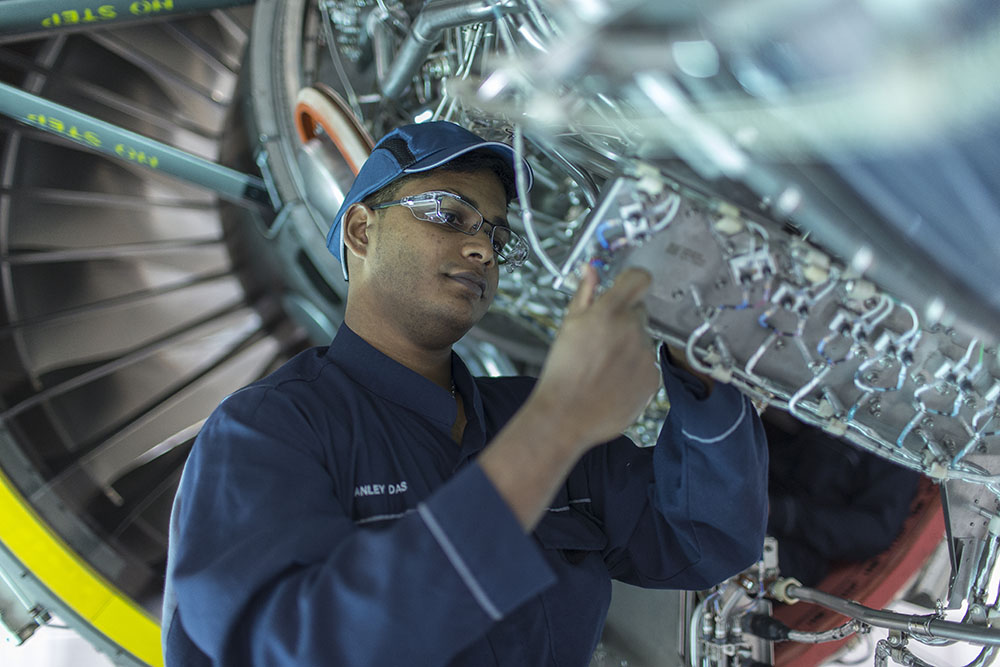
Engineers and technicians are struggling to upskill at the pace required to keep up with rapid technological change. This is slowing the adoption of digital systems and limiting productivity and growth. At the same time, educators are struggling to update their curriculum at the speed required to meet evolving industry demands.

A fragmented education and skills system
The UK’s education, training, and CPD system is fragmented and difficult to navigate, with unclear and hard‑to‑access pathways, particularly for those looking to reskill or upskill mid‑career. Engineering curricula are often overly complex and knowledge‑heavy, highlighting the need for a shift towards more practical, skills‑based education aligned with real‑world engineering needs.

Retaining engineers
UK engineering businesses are not always an attractive place for engineers to stay and build long-term careers, leading to the loss of talent. A significant number of experienced engineers, particularly women aged 35–44 are leaving the profession.

Fragmented skills policies
A proliferation of skills policies fails to align local and national needs with education provision and industry demand. Without coordinated action across government, employers, and education providers, skills shortages will continue to undermine productivity, competitiveness, and long‑term economic and environmental goals.

Attracting engineers
Too few young people are entering engineering to replace those leaving the profession or to meet demand. Our This is Engineering campaign films have been viewed over 65m times, and have contributed to a measurable increase in the number of students studying engineering.
Lack of workforce diversity
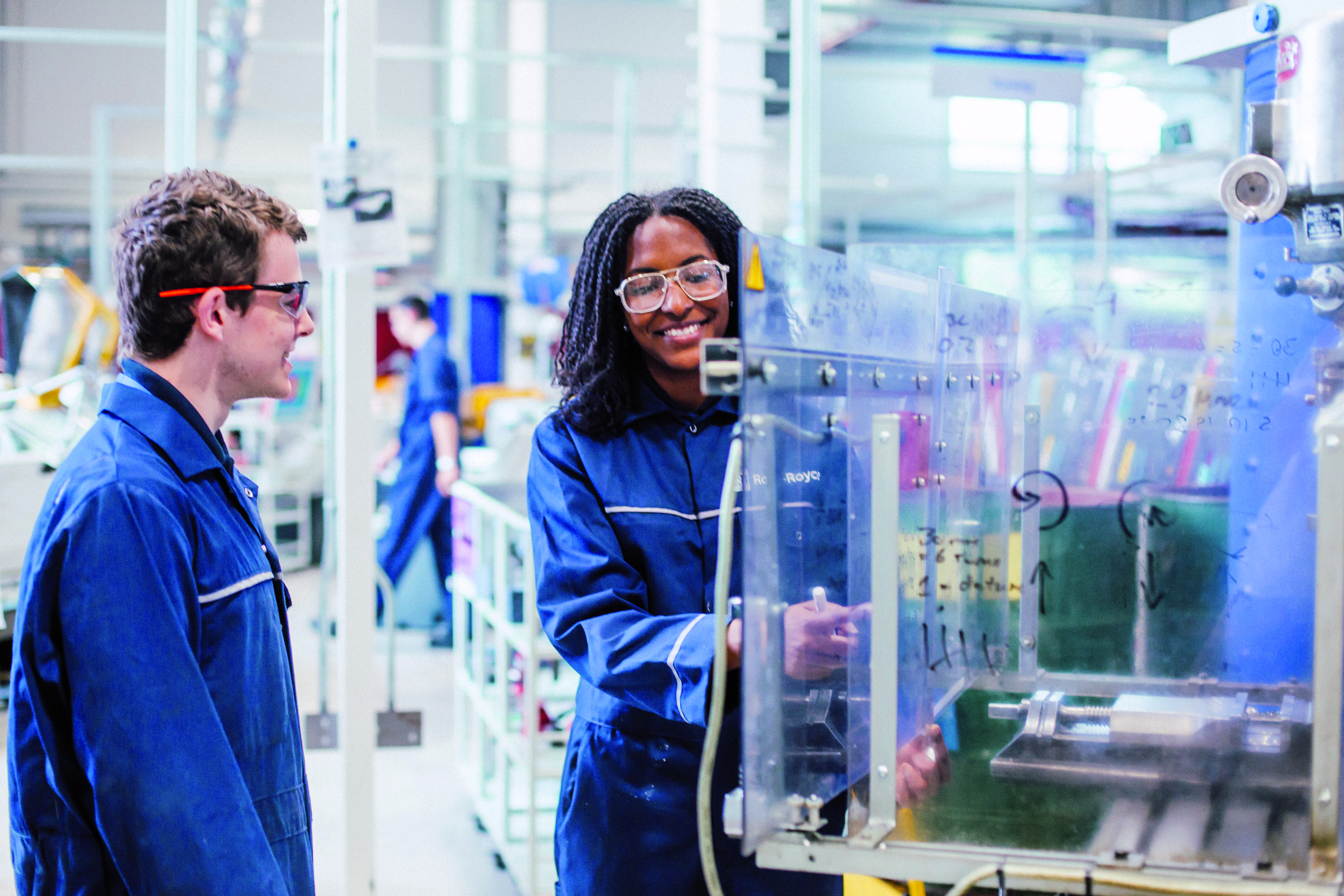
The workforce also remains insufficiently diverse, with women making up just 16.9% of engineers and only 14% coming from Black, Asian and minority ethnic backgrounds. The Academy’s equity, diversity and inclusion initiatives are working across engineering to foster talent and diversity so that the UK has a world-leading and truly inclusive engineering workforce.
Scholarships and bursaries
The Academy runs a range of programmes and activities to support engineering education in schools, colleges and universities. Explore our education scholarships and bursaries.