
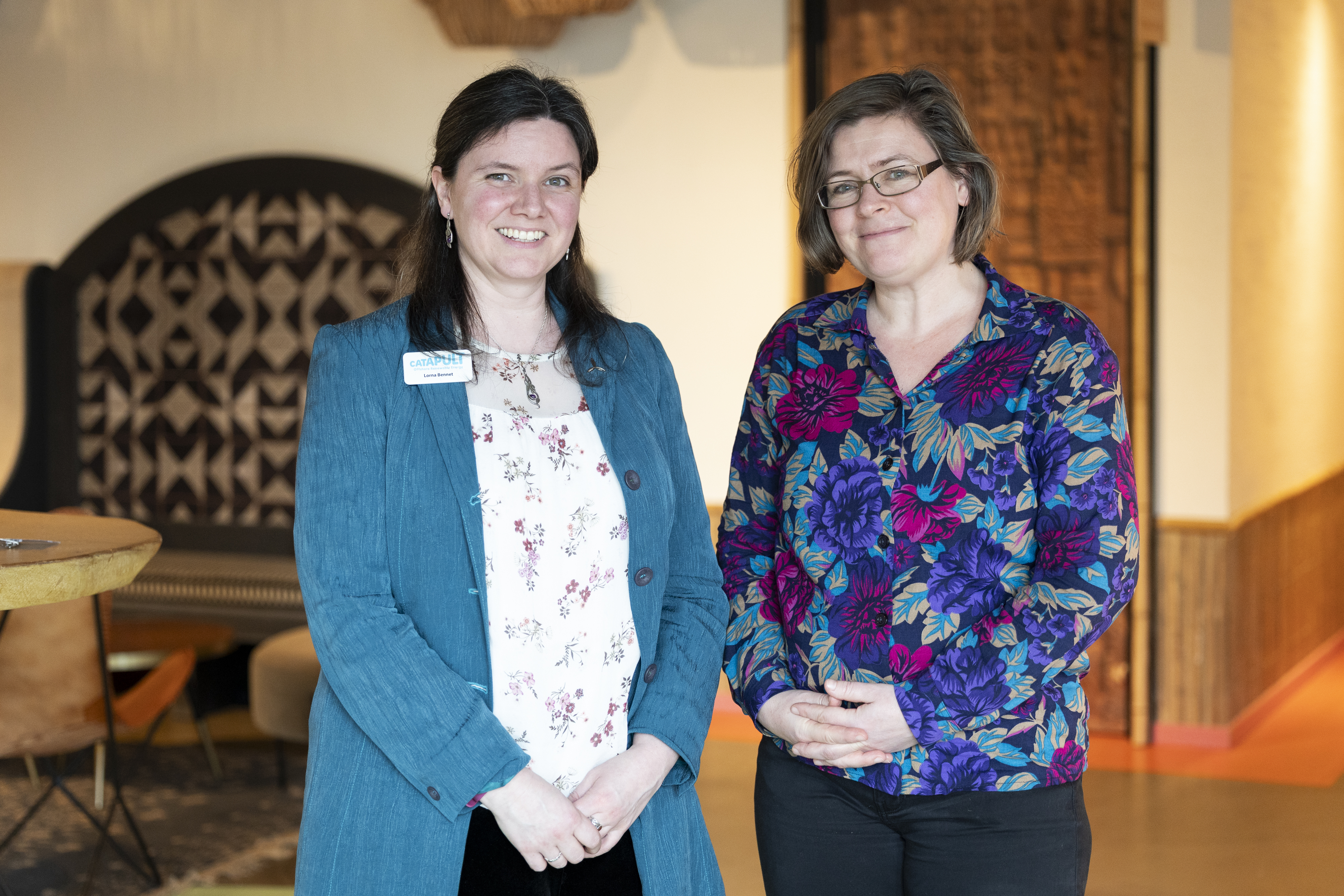
The newly launched World Forum Offshore Wind End‑of‑Life Committee, chaired on behalf of Engineering X by Dr Anne Velenturf and Lorna Bennet, brings together global expertise to address one of the sector’s least coordinated challenges.
In this blog, Anne and Lorna reflect on why end‑of‑use planning has lagged behind and outline how the Committee and its Task and Finish Groups aim to build a safer, more sustainable, more inclusive approach to end-of-use management in offshore wind worldwide.
Decommissioning was a future problem, but the future is here
Offshore wind has expanded at remarkable speed over the past two decades, but planning for what happens when the wind farms are no longer in use has not kept pace. For years the focus has, understandably, been on rapid deployment, without appropriate consideration of what we do when these large pieces of infrastructure are no longer safe to operate. Decommissioning has often been seen as a “future problem” but with the massive scale-up and drive for more renewable energy sources, the future has caught up with us.
Without more proactive planning, the sector risks avoidable safety issues causing human harm, higher environmental impacts, missed opportunities for sustainability, and unintended consequences such as waste being handled far from the original location as seen in oil and gas (O&G) and global shipping industries.
There are pockets of strong practice emerging in the end-of-use space. Some European countries, for instance, now incentivise circular economy principles within their tendering and consenting procedures for new wind farms. But there are also stark shortcomings and uneven progress across the sector.
Most global research has focused on recycling turbine blades, particularly through cement‑kiln co‑processing, even though the biggest environmental gains would come from designing turbines that last much longer and use fewer materials per unit of energy. To truly reduce impacts, the sector needs to enable refurbishment and remanufacturing, not just recycling at end of life.
Convening to address the issue: the role of the Committee and Task and Finish groups
The World Forum Offshore Wind Committee was launched to drive lasting improvements in end‑of‑use management for offshore wind. It brings together leading practitioners from industry, governance, non‑profits and research, across both emerging and established markets. By promoting knowledge exchange between regions and sharing emerging best practice, the Committee will help build momentum on end-of-use planning, bridge the policy-industry gap, and lay the foundations for coordinated action.
The Committee is there to provide knowledge exchange, coordination and advocacy, and in tandem develop proactive work on areas identified as where action most urgent/impactful due to wide applicability and providing baseline for other End-of-Use processes. These areas including; international regulation; industry standards; benchmarking best practice and material flow forecasting methods.
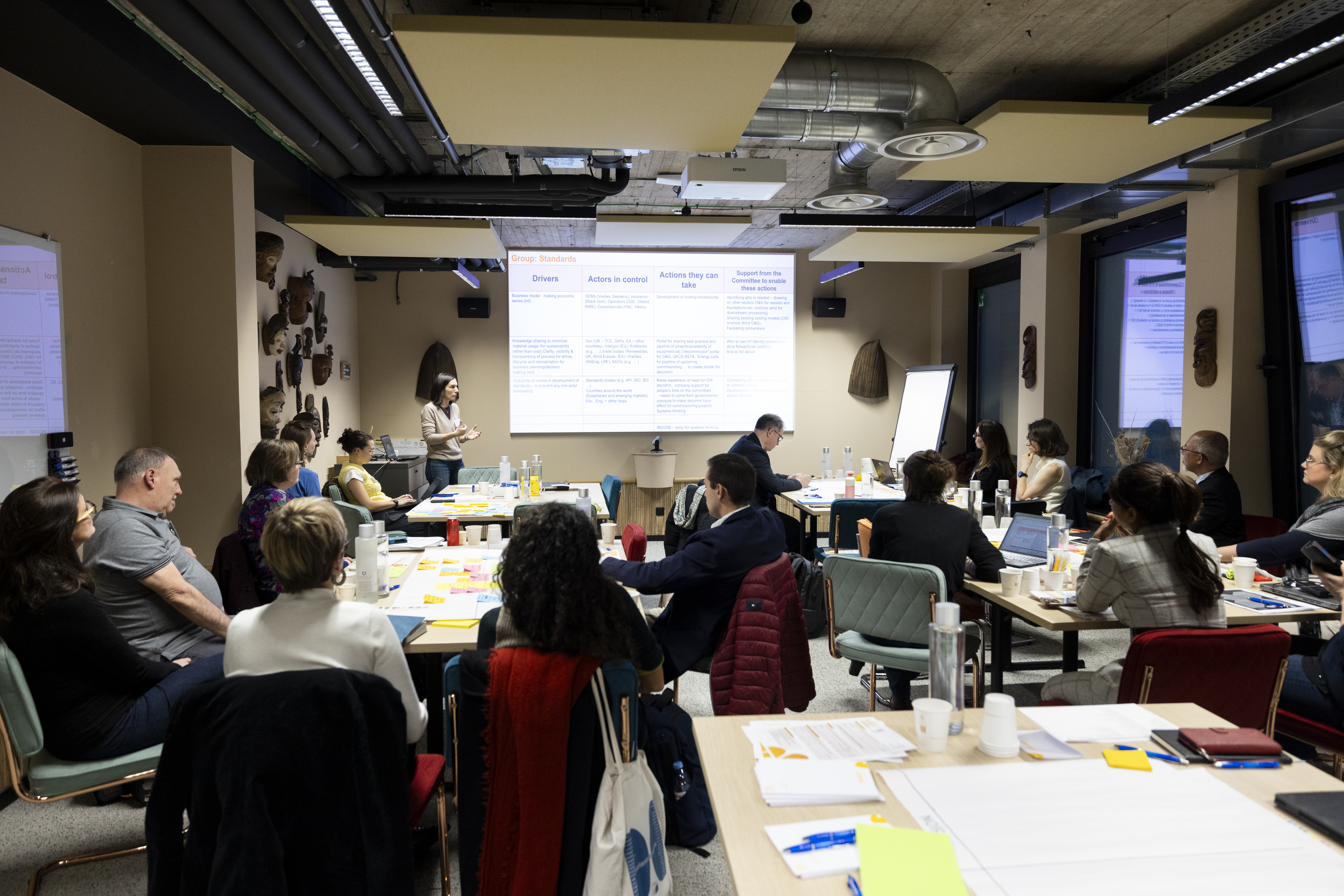
Photo of the Task and Finish Group Workshop in Brussels January 2026
Each Task and Finish group will work on refining approaches that can be applied across different contexts. They will focus on gathering existing practice, building practical frameworks and guidelines, and engaging widely with stakeholders to ensure the work reflects real‑world needs of regulators, industry and the civil sector. As part of this, the groups will pilot emerging ideas in practice, using early testing to build confidence, gather learning, and accelerate what works.
If you’re working on end‑of‑use challenges, piloting new approaches, or shaping better policy and practice, we’d love to hear from you. Join us in helping build a safer, more sustainable, circular and inclusive future for offshore wind.