
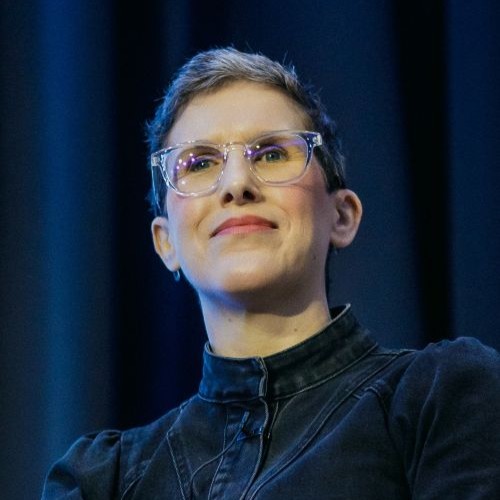
Dr Natasha McCarthy is the Associate Director for Policy at the Royal Academy of Engineering. Natasha has a background in philosophy of science and engineering and wide-ranging experience in policy, ethics in engineering, technology, and AI. She was part of the founding team of UCL’s Dept of Science, Technology, Engineering and Public Policy, led the policy team at the British Academy, and the Royal Society’s Data and Digital Policy team.
Natasha explores the ethical considerations that underpin technology stewardship and the practical steps engineers can take to ensure these systems are designed and delivered responsibly.
Ethics and technology stewardship
Engineers change the world. They create infrastructure that changes our landscapes, serving society’s needs for the long term, and creating access to essential services such as power, clean water and transport.
Engineers also create technologies that can change our lives. The ways we live each day can be rapidly transformed through technology, with the past two decades seeing revolutions in how we communicate, learn, and engage with media.
As a result, the systems that engineers create and build have potentially deep impacts and long legacies. This blog will explore the concept of technology stewardship, and the responsibility of engineers, of governments and of society to ensure that we steward these technologies in ways that offer wide and inclusive benefits and manage potential harms to communities and the environment now and in the future.
What are the critical ethical issues in this area?
The technologies and systems that engineers design, build, maintain and decommission have long and far-reaching lifespans. Infrastructure systems like sewers serve millions over decades – Bazalgette’s London sewer system has served many generations, improving public health at great scale, and continues to play a key role since the new Thames Tideway was built, which in turn will serve the population for decades to come.
General purpose technologies have the potential to impact globally. Electricity was one such technology, leading to radical changes in how people live and work and creating innumerable opportunities. AI is becoming such a technology – being used directly and shaping other technologies and systems.
This creates a need for engineers to think beyond the here and now, and beyond the specific needs of one client or one business goal. They need to think about what is often called the ‘triple bottom line’ of people, planet and profit in an equal way, ensuring that they are working in ways that genuinely meet the needs of society and protect communities who might be marginalised if infrastructure creates barriers to access, doesn’t serve particular needs, or places, or in fact creates harm through unintended consequences.
It also shows the need for engineers to engage with wider society – they cannot protect or serve people without an understanding of what will really benefit communities and society. Again, this means looking beyond immediate clients’ needs to the bigger picture.
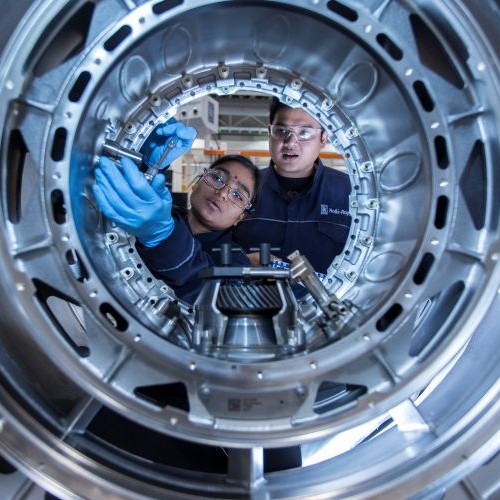
There is a need for engineers to think beyond the here and now, and beyond the specific needs of one client or one business goal.
Why are these ethical issues particularly important?
Stewardship is important because technologies can develop rapidly, as we are currently seeing with AI, and they can be used at scale in very short periods of time. This means that there might be far reaching consequences that emerge only once large-scale adoption has taken place. There is a duty for engineers to think through future or distant ramifications of technology – where is the opportunity to create benefit, where does risk appear and who would bear that risk? Engineers have the skills and experience to do that – diagnosing failure modes and design thinking are key to doing this, as well as applying decades of progress in creating safety critical systems. The challenge is being able to do so with the business and market influences that drive rapid change – but again, engineering has a history of working with and developing regulatory systems focused on safety, eg as in aviation.
It is also important because of the longevity of engineered systems. The changes that engineers create cannot easily be reversed, so responsibility has to be taken for long term impacts on the local and global environment, and the communities impacted by how engineered systems are built, used, maintained, and decommissioned.
Which of the ethical principles are most important here?
The renewed version of the Statement of Ethical Principles includes a new principle focused on ‘Responsibility for the future of technology, society, and the environment’. This was important to add in a time when the impacts of climate change are increasingly clear, the work to mitigate and adapt to it is underway, and when rapidly evolving technologies like AI are transforming engineering practice, everyday life and public discourse.
The idea of stewardship relates to this need to take a long term and inclusive view of how technologies are developed, used and decommissioned and of who they serve. It is about thinking of our duty to future generations and engineers doing their best to understand the impacts on people, starting with public dialogue and stakeholder engagement. And it also taps into engineers’ skills in thinking about how can things fail, what the longer term negative impacts could be, and how they can be protected against.
What can engineers do differently on this issue?
The challenge is easier to state than it is to address, as seeing into the future is not easy. But there are well established methods for scenario planning, horizon scanning and co-creation of future systems with communities impacted. At the Royal Academy of Engineering, we are working with the researchers we fund and the entrepreneurs we support to listen to the communities where they are based and hear about the needs they have, so technologies can be stewarded towards societal benefits – focusing initially on AI. We also established people’s panels to bring the non-engineering voice into our strategy, to understand how communities across the UK see the need for engineering to build positive change.
Engineers can also engage with wider disciplines, especially social sciences. There is a lot of deep understanding of the impacts of technology on society and ways to innovate safely and responsibly – avoiding dependence on single technologies that could prove harmful, for example.
What are the risks of doing nothing?
There are risks of exclusion when technologies are not developed to serve wider society in all its diversity – we have seen this with design that has focused on men and not women’s needs, or does not work for people of all ethnicities creating barriers and risk for certain groups. Stewardship is about thinking of designs that can benefit everyone, often through focusing on the needs of specific groups first, such as people with access needs. Stewardship is central to sustainable practice – working in ways that do not create irreversible harm to the environment, or cause problems that future generations will have to fix. We see this with electricity – I note above its boundless positive impacts, but the legacy of using fossil fuels to generate electricity and to fuel transport has created widespread climate risk and environmental pollution. Without such an approach, the legacy of engineering today will continue to bring risk for future generations, as we are seeing through the impacts of climate change.
Stewardship is about thinking of designs that can benefit everyone, often through focusing on the needs of specific groups first, such as people with access needs.
What challenge would you set any engineer working in this area?
I would ask any engineer to imagine your work in one hundred years’ time. Who has been affected? How would you be content that you had done what was needed to do your work ethically, responsibly and inclusively? Did you seek to create truly positive change?
Related content
Engineering Ethics: Q&A with Dr Heather Smith
Dr Heather Smith, senior lecturer in water governance at Cranfield University, explores the ethics behind responsible w…
Engineering Ethics: Q&A with David Short
David Short, systems engineering consultant in the defence industry, explores the ethics behind responsible self learni…
Engineering Ethics: Q&A with David Bogle
David Bogle, Emeritus Professor of Chemical Engineering at UCL, explores the ethics behind responsible engineering biol…