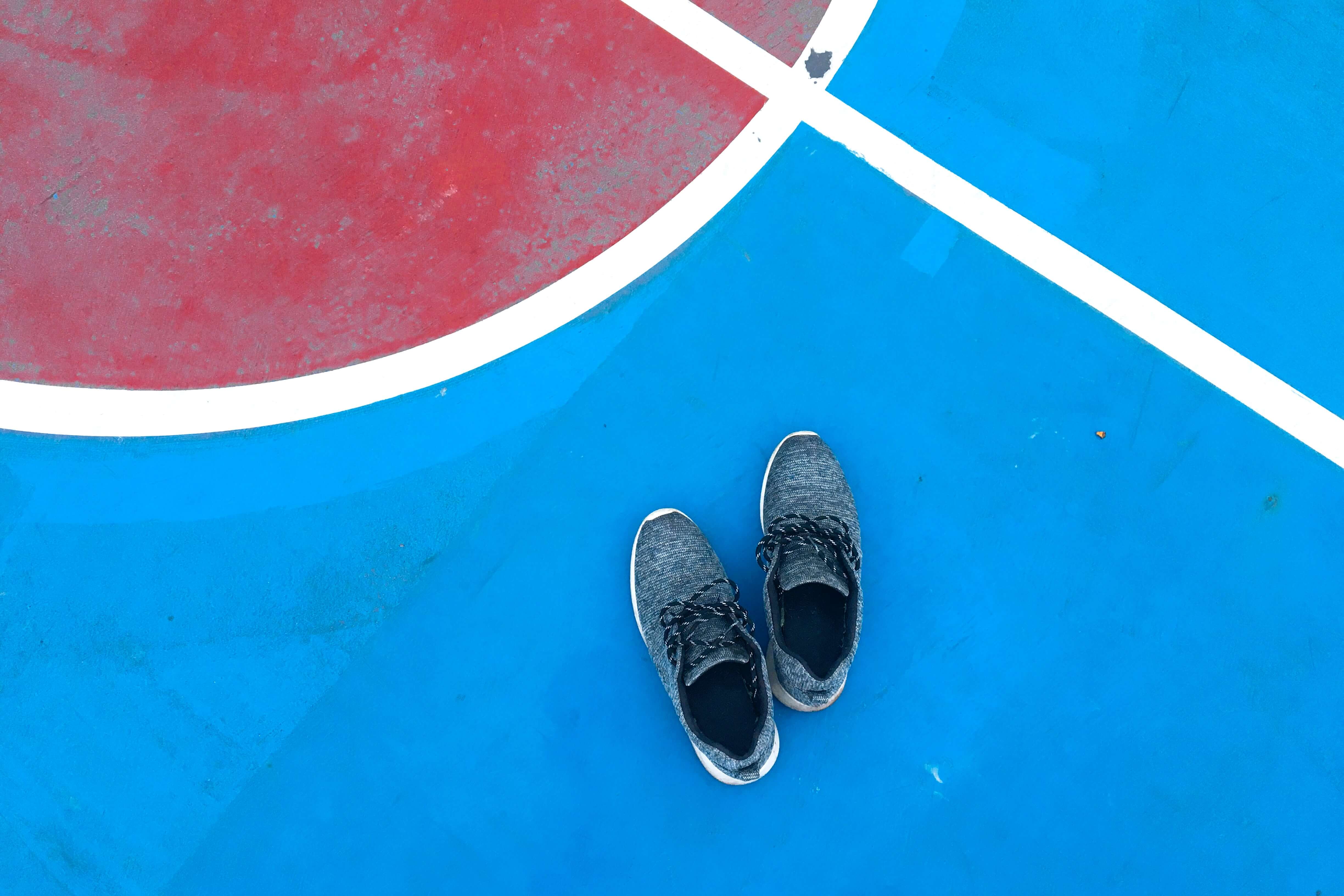
About Sports Shoes - A Feat of Engineering
The project used sport to engage Year 5 children from three Manchester schools with engineering. The focus was on designing, making, and testing sports shoes.
Ten engineers were recruited, mentored, and trained. These engineers had different backgrounds, experience, and specialities, ranging from practicing sports shoe engineers to postgraduate students. They were assigned a mentor from one of the leadership team and trained in public engagement, including safeguarding, communication and using social media. They were introduced to the three sessions to be delivered in the schools and were equipped with session plans, worksheets, and class materials, including three bespoke posters on the design process.
The three-session school programme
The engineers introduced themselves to the children in Session 1, who then completed the associated worksheet. They designed a sports shoe concept and wrote words they associated with engineering. The engineers then introduced the children to engineering, and displayed the A3 posters, which were left up in the classroom.
The children received A6 versions of the posters and a project sticker. They handled various dissected shoes while discussing how the design related to the intended purpose for each sport.
Session 2 introduced the children to engineering design, and their challenge: form an engineering team and design a shoe midsole for their chosen sport. After this session, the project team 3D printed the midsole designed by each team. These 3D prints were presented to the children in Session 3, who measured the properties and discussed opportunities for design improvements.
The activities concluded with the children visiting the university. They met students, toured the campus, and engaged in hands-on activities, examining equipment for tennis, football, roller-sports, and snowboarding. They were demonstrated laboratory equipment, including an impact test and high-speed camera, and saw Formula Student cars.
The students repeated the worksheet from Session 1 and received a certificate. They were engaged throughout the sessions, and indicated they would like to do future projects.
Key outcomes
~120 children were engaged in the project across three schools. The evaluation and feedback received indicated the project developed their understanding of engineering, making it a potential future option for them. They seemed especially engaged with more creative and active sessions, especially designing, and interacting with sports products. It was apparent that activities do not need to be complex and technical to be engaging and inspiring.