
Event overview
The AT2030 Frontiers Symposium on assistive technology (AT) brought together global and local experts, practitioners, and advocates of AT to explore sustainable, inclusive, and innovative approaches to its delivery. AT2030 is funded by UK International Development.
Chaired by Professor Pramod Shrestha from Nepal and Professor Nerrolyn Ramstrand from Sweden, the event was hosted from 8 to 10 October 2025 in Kathmandu, Nepal and featured participants from over fifteen countries. The symposium was structured around three thematic areas, each highlighting the urgent need for systemic transformation in AT provision, particularly in low-resource settings like Nepal.
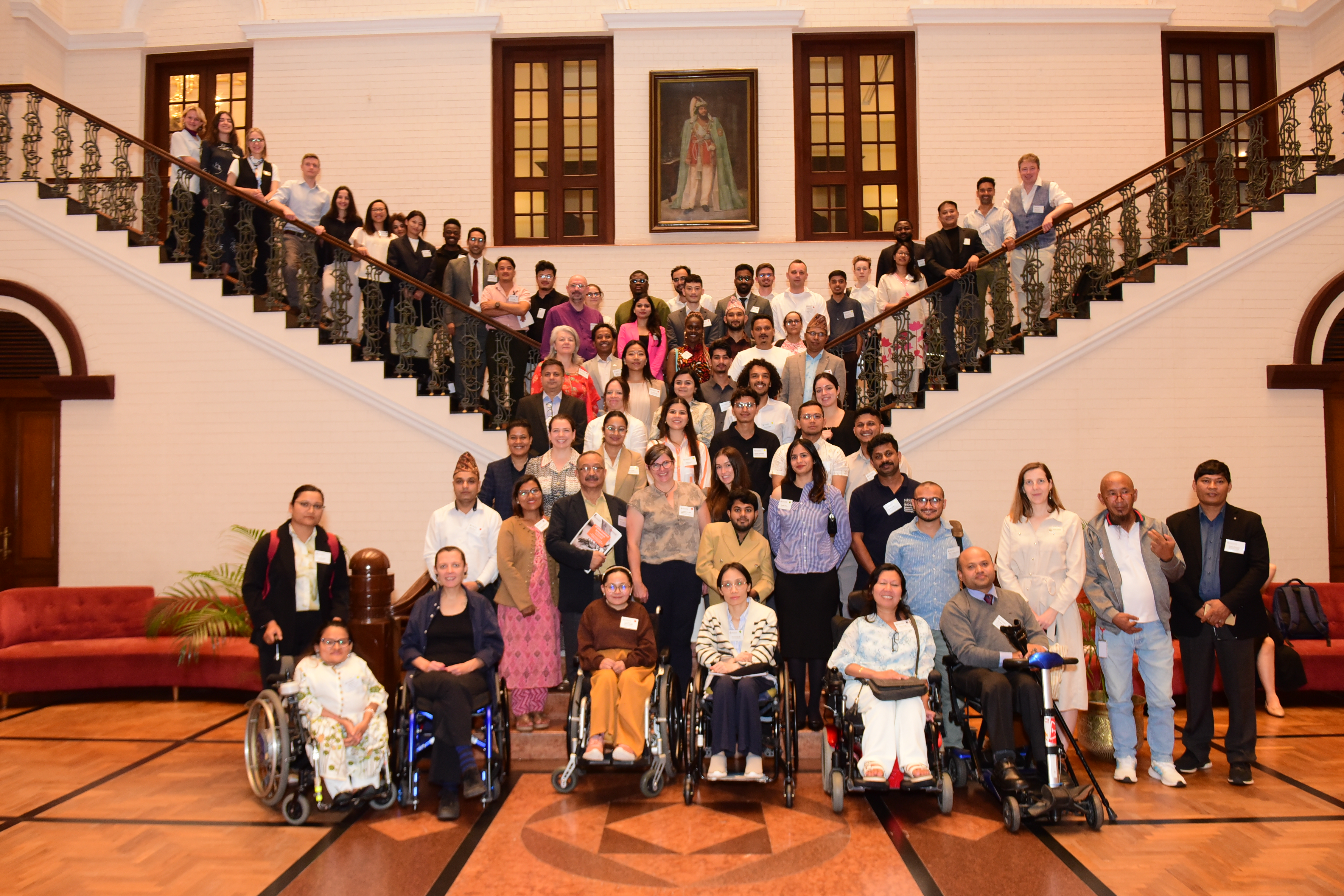
In their opening remarks, the symposium chairs set the scene by emphasising the role of continuous learning and collaboration, highlighting that true innovation lies in openness and sharing knowledge rather than in ownership and calling for connections that go beyond the confines of the current event.
After the event concluded, participants are able to apply for seed funding to deliver projects that are developed from the symposium. See the 10 exciting projects that have been awarded almost £200,000 in funding to tackle AT challenges.
Discussion themes
Overall, the symposium served as a platform for knowledge exchange, inspiration, and strategic alignment, setting the stage for collaborative action to ensure that AT becomes universally accessible, affordable, and empowering. This report summarises the key discussions with the following overarching insights across concerned themes:
- Adopting and adapting for efficiency and impact. The use of local materials and capacities with digital technology offers new opportunities to improve access and services.
- Research and continuous learning is necessary to improve impact. Reflection and action must go hand in hand
- Grassroots innovation and economies of scope will enhance affordability and market sustainability
- Change perceptions to influence behaviour. Disability is still seen as a taboo topic in some societies, shaped by socio-cultural contexts. The charity-based model needs to be replaced with rights-based model to champion equity.
Event chairs
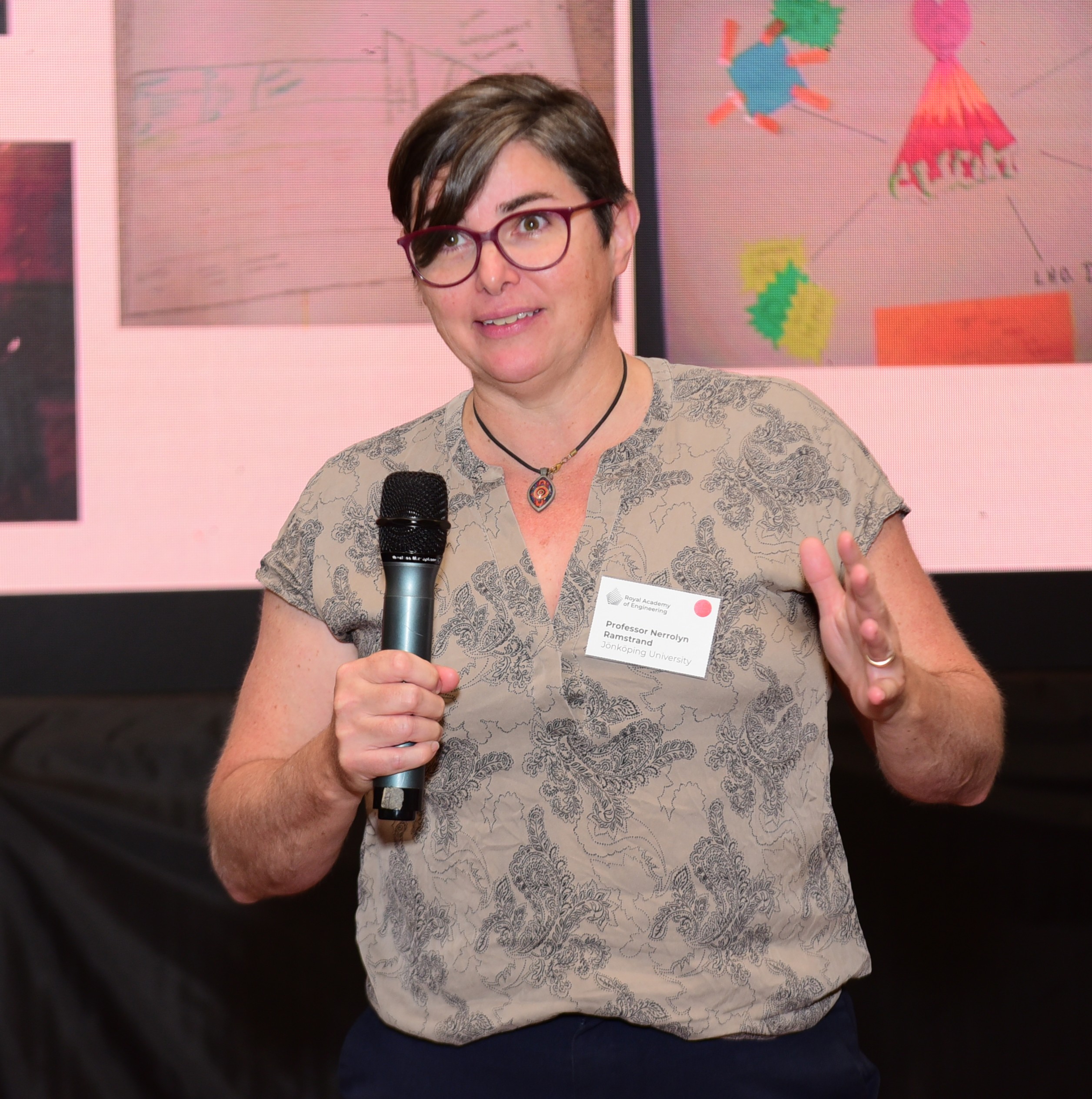
Professor Nerrolyn Ramstrand
Jönköping University, Sweden
Professor Ramstrand’s background is in clinical prosthetics and Orthotics. She completed both her undergraduate degree and PhD at La Trobe University, Melbourne. After several years working in Vancouver, Canada, she has moved to Sweden where she has lived and worked for over 20 years. Her research focuses on optimising prosthetic and orthotic devices and services in different country contexts. She uses both qualitative and quantitative methods to better understand client needs and to develop technologies that respond to those needs, while being mindful of cultural and contextual factors that affect access to services, perceptions of disability, and satisfaction with outcomes. Currently, her projects are based in Cambodia, Ukraine, and Sweden.
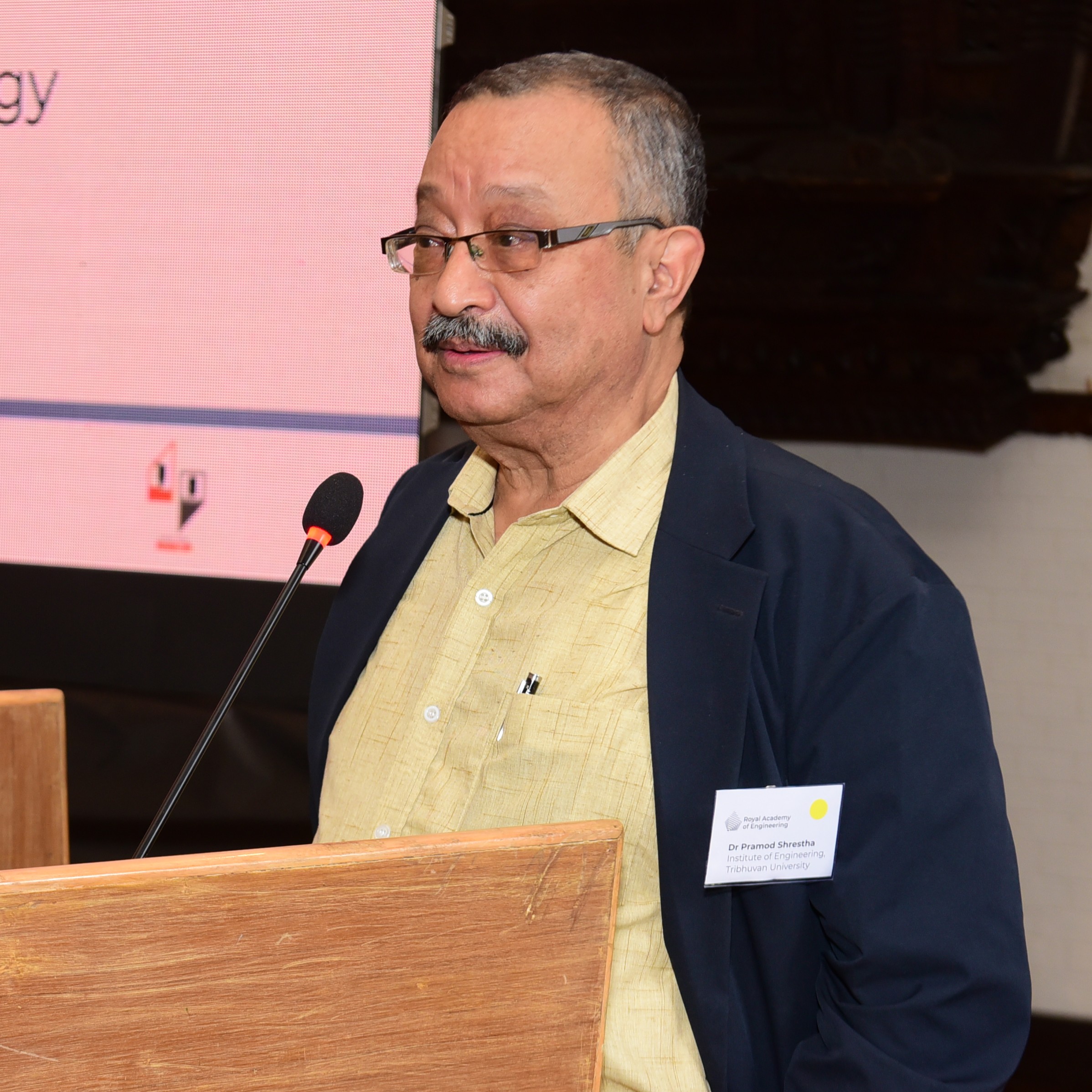
Professor Pramod Shrestha
Tribhuvan University, Nepal
Over the past 44 years, Dr Shrestha has held several prominent positions, including professor, campus chief, project co-ordinator/chief, and international/national consultant. He has worked with various organisation such as World Bank, Asian Development Bank, UNDP, and numerous bilaterally funded projects aimed at improving engineering and technical education and training systems across Nepal, India, Bhutan, Bangladesh, Sri Lanka, Pakistan, Iran, the Philippines, Cambodia, Thailand, Malaysia, South Korea, Japan, Canada, Norway, Australia, and Thailand. Dr Shrestha became Nepal’s first Professor of Mechanical Engineering in 1993 and retired from the Institute of Engineering, Tribhuvan University in 2007 after 34 years of dedicated service.
Sessions and speakers
Digital solutions and creative design
for the circular economy
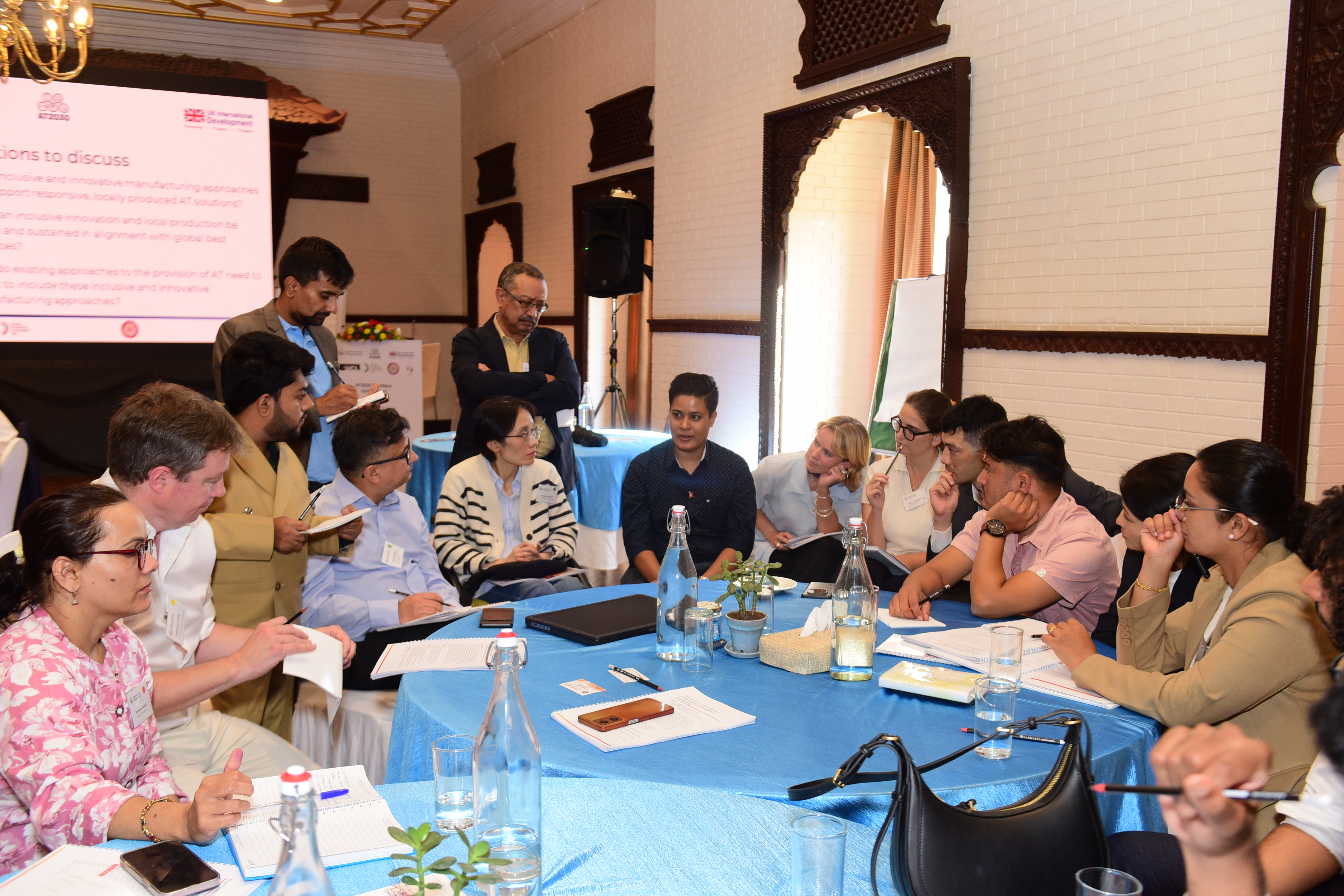
This session explored local innovation, design thinking, and regulation in AT. Participants emphasised integrating human-centred design, local materials, and collaboration between technical and clinical experts as key contributors. Discussions highlighted challenges in workforce capacity, regulation, and quality assurance, as well as the need for participatory production and adaptable standards - stressing a balance of local production with global supply chains to achieve affordability. Open-source platforms were referenced to create the environment for shared innovation. Examples from Nepal illustrated creative reuse of materials and grassroots repair networks. Overall, the session called for inclusive, context-sensitive, and sustainable approaches to strengthen AT systems through collaboration and localised innovation.
Key takeaways
- AT research and development can benefit from user knowledge and human-centred design
- Local materials can offset dependencies on import and make AT more accessible
- Stronger collaboration between medical and technical professionals is necessary to achieve an effective AT ecosystem
Presentations
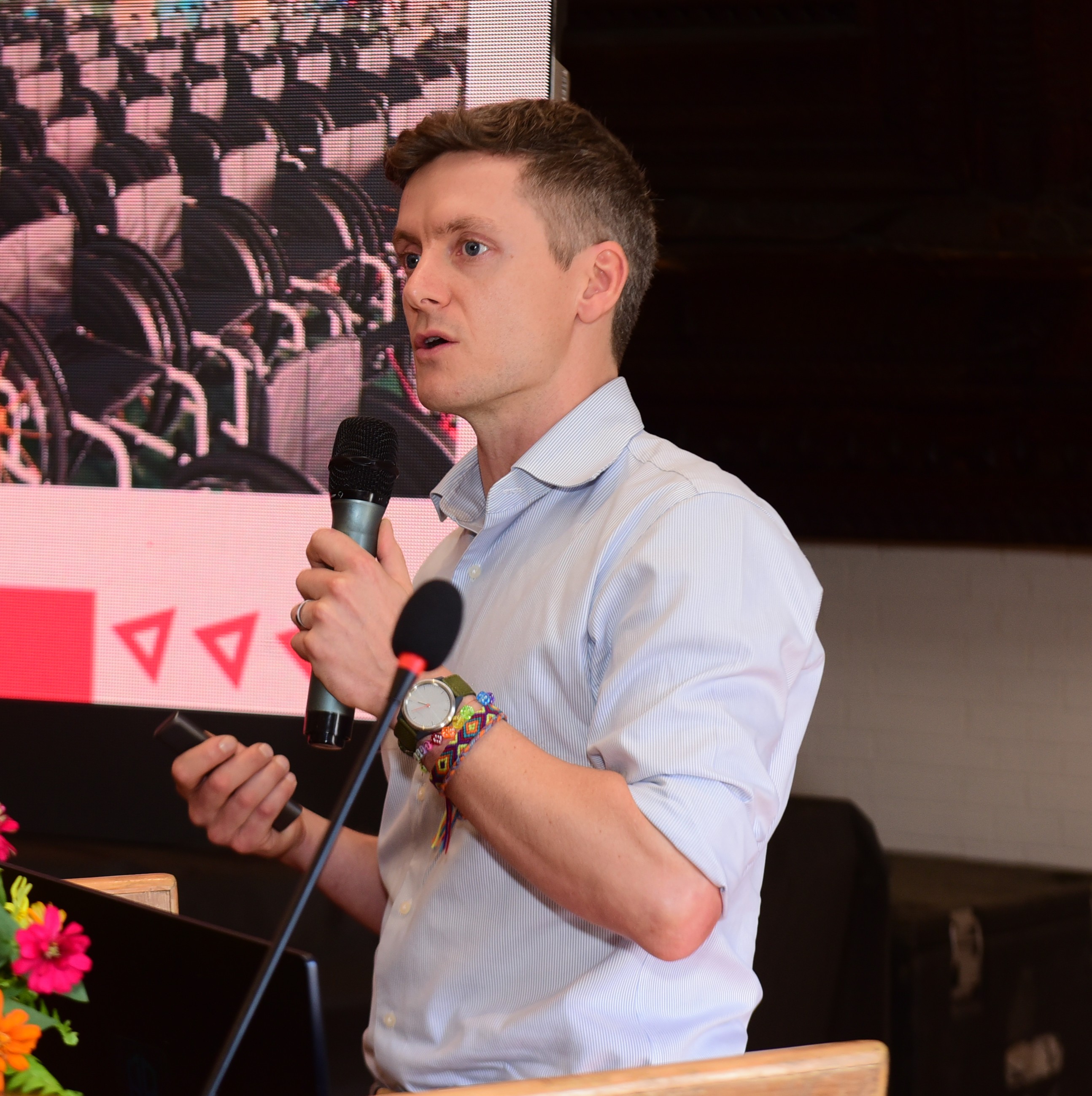
From global chains to local workshops: Building responsive AT systems
Dr Ben Oldfrey
Dr Oldfrey presented insights on why we need to consider both global and local production systems, especially in the context of AT and disability services.
He began by recognising the benefits of globalisation, mass production, efficient global supply chains, and reduced costs, that have driven accessibility and economic progress. Yet, he cautioned that this large-scale model cannot meet every human need, particularly in specialised or individualised cases. Dr Oldfrey argued that global and local models should complement, not compete with, each other.
He concluded by urging the attachment of AT services to existing manufacturing systems rather than isolated workshops and commended Nepal’s growing governmental focus on disability inclusion as a strong foundation for future progress.
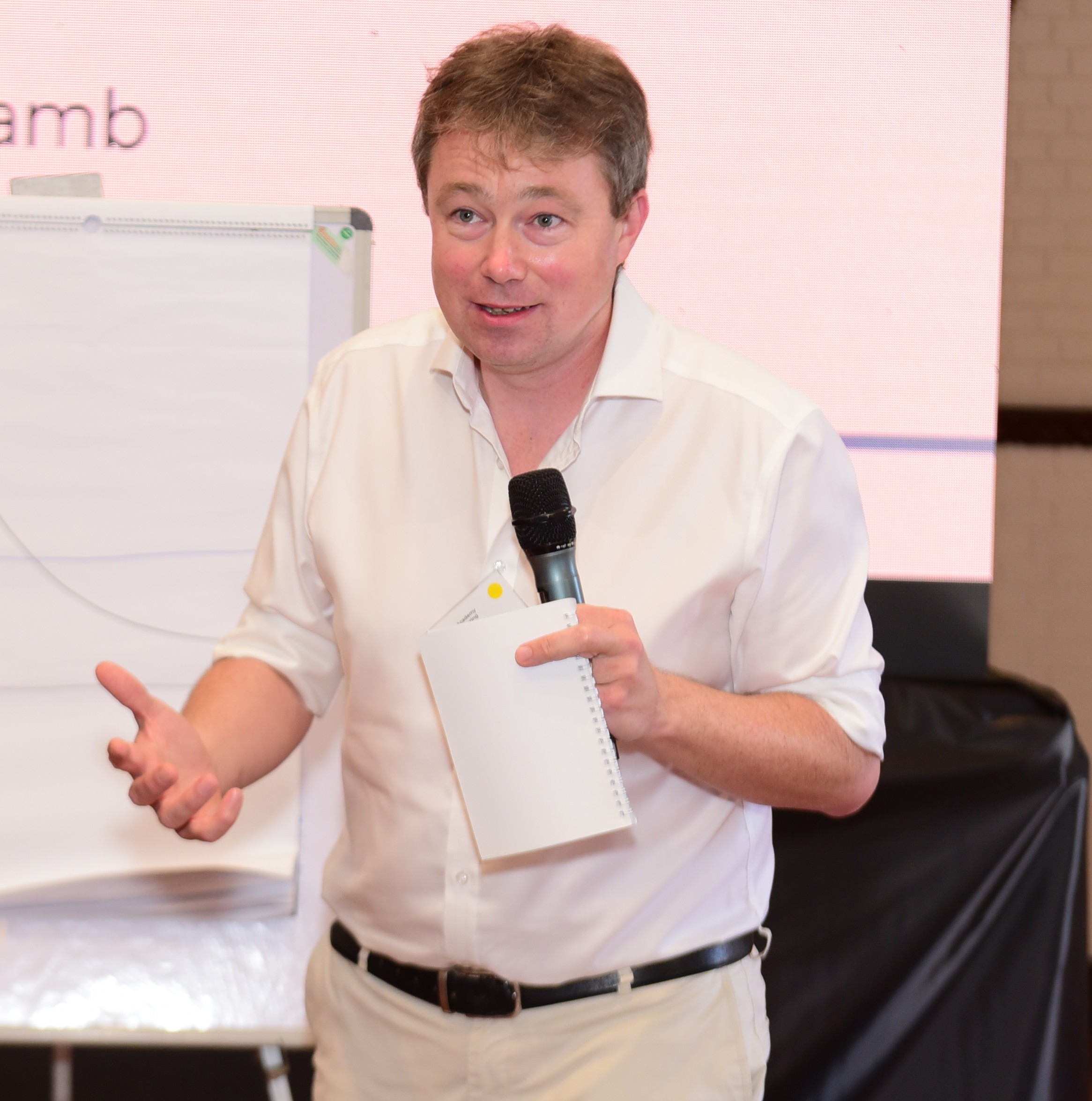
The opportunities of scope alongside scale
Andrew Lamb
Andrew Lamb traced the evolution of manufacturing from the traditional model of economies of scale to a digital, distributed, and inclusive approach driven by AT.
Lamb highlighted Nepal’s own transformation as an example: from having only two 3D printers in 2015 to hundreds today, with even schoolchildren learning to use them. This democratisation of production has supported local innovation and access.
Concluding, Lamb urged a shift from “scaling up” to scaling out, investing in local infrastructure, open design sharing, and distributed production to make technology accessible for all.
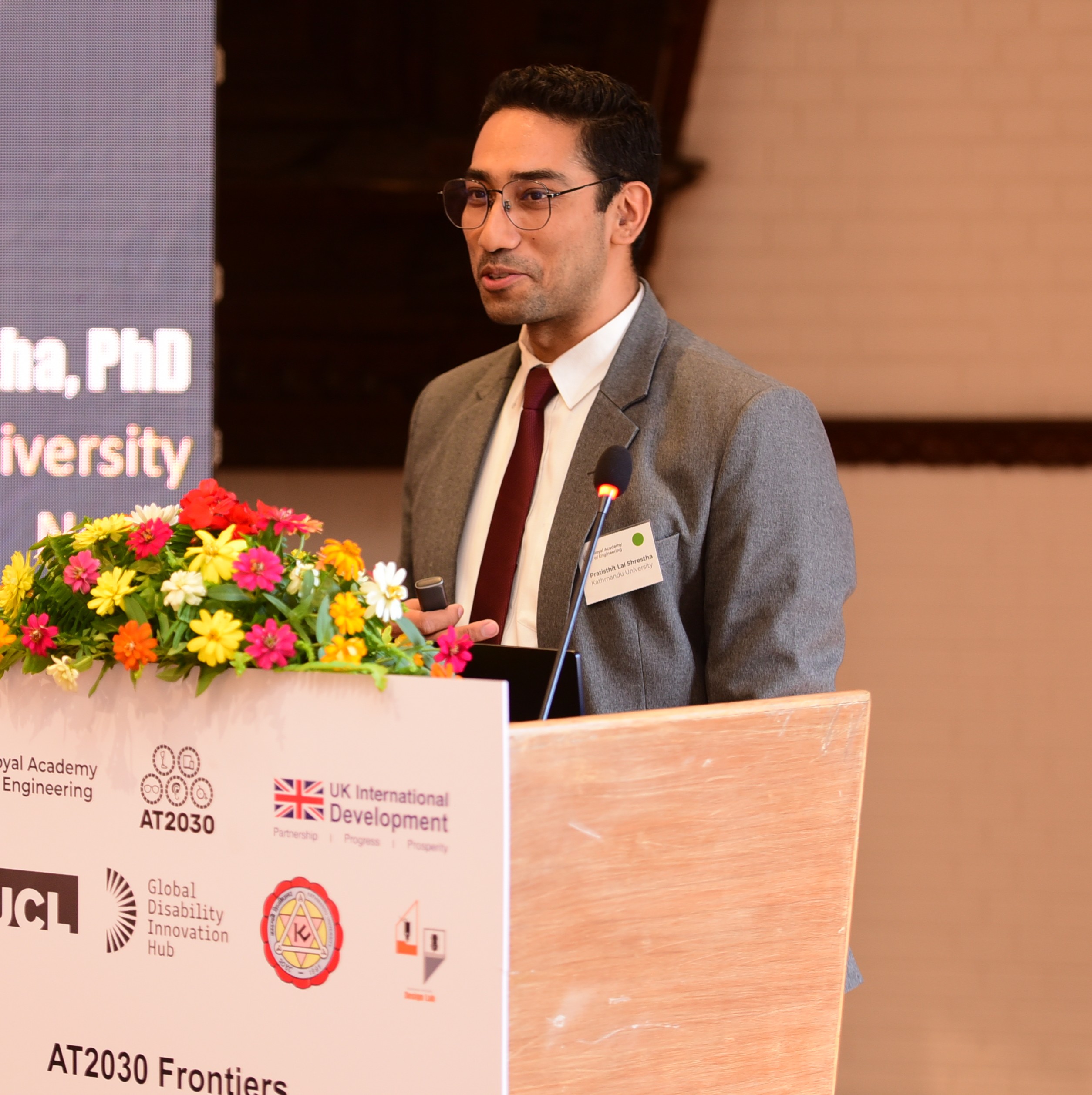
Local innovation: the Himalayan engine for sustainable assistive technology provisioning
Dr Pratisthit Lal Shrestha
Dr Pratishit Lal Shrestha addressed what he called a “silent crisis”, the failure of the global model for AT provision in developing contexts like Nepal.
He outlined four core pillars of unsustainability that characterise this global failure:
- prohibitively high costs and fragile supply chains,
- dependence on imported and often unsuitable designs,
- a lack of local technical capacity, and weak repair and maintenance systems.
Dr. Shrestha concluded with a forward-looking message: “the future of assistive technology lies in empowering local ecosystems to design, produce, and maintain technologies with users, ensuring accessibility, affordability, and adaptability for all.”
Integration and inclusion for transformed AT delivery
The session emphasised that to make AT truly transformative we need systems that are inclusive and grounded in local contexts. Speakers highlighted the importance of building communities of practice to sustainably guide development, the need to streamline state mechanisms and take a data-driven approach to decision-making around resourcing to assure efficiency and effectiveness. They underscored that lived experience, particularly of women and girls with disabilities, is vital to shaping responsive, stigma-free AT services. Collectively, the discussion stressed that sustainable AT must be locally owned, equity-driven, and embedded within broader health and social structures
Presentations
Global perspective: building sustainable communities to support integrated and inclusive assistive technology provision
Dr Rosie Gowran
Dr Gowran presented on the vital importance of sustainable health and social care infrastructures in achieving inclusive futures. Her discussion emphasised the need to align these systems with the mandates of the UN Convention on the Rights of Persons with Disabilities (UNCRPD) and the Sustainable Development Goals (SDGs), specifically Goal 3: ensuring healthy lives and well-being for all.
To guide inclusive AT development, Dr Gowran has developed a Sustainable Community of Practice Model, informed by soft systems methodology and Maslow’s Hierarchy of Needs.
She concluded that sustainable AT systems must be actionable, inclusive, and locally owned, which can then empower people of all ages and abilities to thrive, not just survive.
Understanding the Nepalese context to transform assistive technology delivery
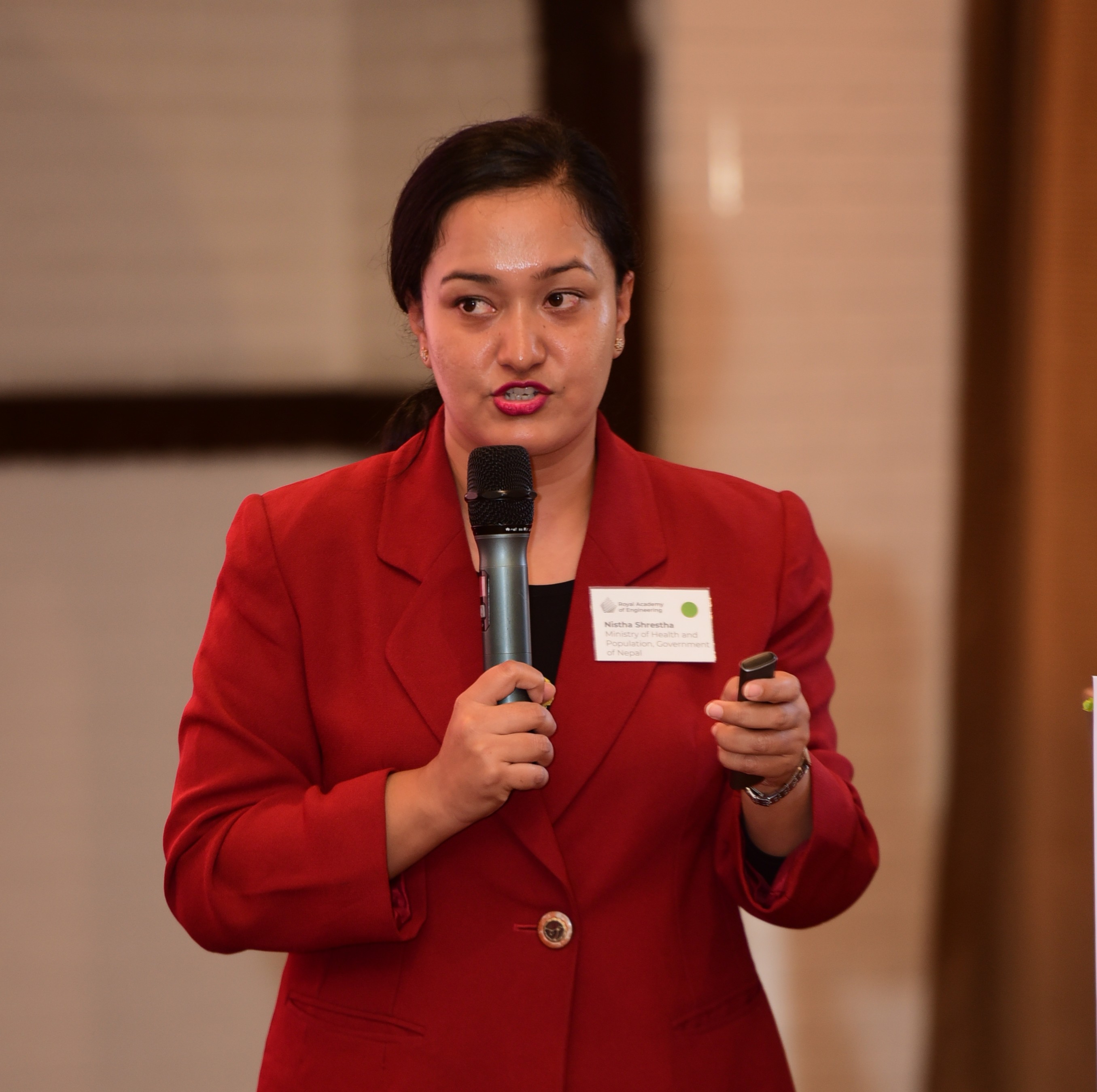
Nistha Shrestha
Nistha Shrestha presented state initiatives that are integrating AT in the national health system. Her presentation underscored the view that AT and rehabilitation are necessary to achieving universal coverage while still highlighting Nepal’s complex governance structure.
Globally, over 2.4 billion people require rehabilitation services, many due to non-communicable and neglected tropical diseases. In Nepal, a rapid assessment revealed that only 27.7% of people who need assistive products currently use them, revealing a massive unmet need.
Shrestha concluded that Nepal must adopt an integrated, data-driven, and context-sensitive approach, building workforce capacity, improving financing coordination, and raising public awareness – to ensure equitable and sustainable AT access for all citizens.
Integration and inclusion: assistive technology for women’s health and wellbeing
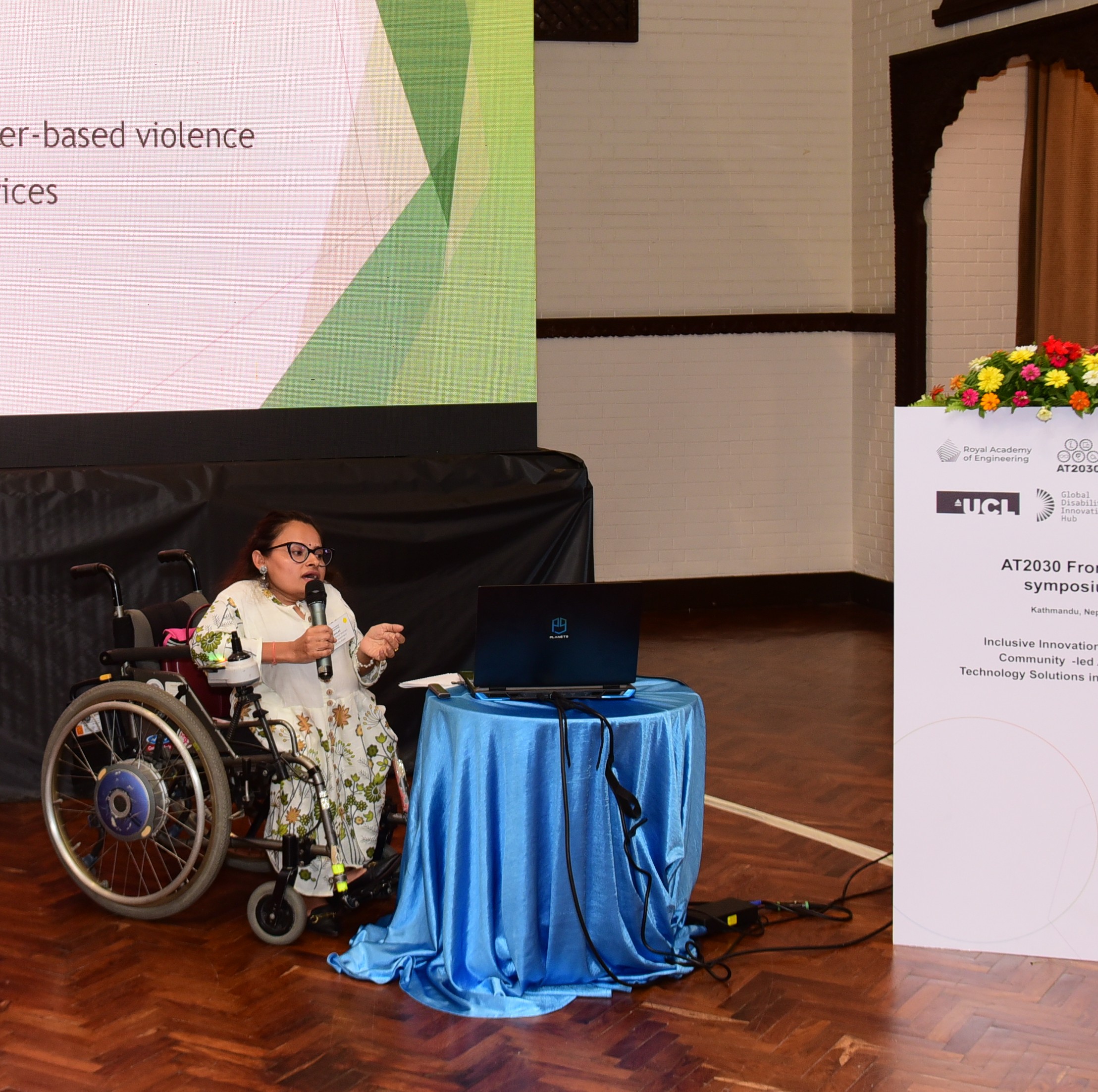
Anjana KC
Drawing from her lived experience with osteogenesis imperfecta, Anjana KC discussed how access to appropriate assistive devices (such as electric wheelchairs, hearing aids, and mobility tools) enables participation, education, and leadership development. She poignantly focused on the critical role of AT in improving the health, dignity, and independence of women and girls with disabilities in Nepal.
Her personal account of struggling with inaccessible schools and menstruation-related barriers concisely illustrated the intersection of gender, disability, and mental health. She concluded by urging policymakers, NGOs, and communities to collaborate in building affordable, accessible, and inclusive systems that uphold dignity, independence, and universal health coverage for women and girls with disabilities in Nepal.
AT solutions for improved access
This session presented examples of innovations that have helped expand access to AT in Nepal. Speakers highlighted locally driven prosthetics and orthotics solutions, emphasising cost-effective materials, designs suited to Nepal’s geography, and community-centred scaling. The session also showcased a “global design, local production” model that blends imported components with locally crafted adaptive tools, strengthening sustainability and cultural relevance. Additionally, the Accessible Digital Textbooks (ADT) initiative demonstrated how born-accessible content and AI-enabled translation can support inclusive education, underscoring the need to integrate accessibility from the outset in Nepal’s digital learning strategies.
Key takeaways:
- Local innovation drives affordable AT access. Low-cost, context-specific solutions from prosthetic parts to sensory tools, significantly expand accessibility and sustainability.
- Global standards plus local production strengthens systems. Combining international designs with local skills creates culturally relevant, scalable, and less import-dependent AT services.
- Inclusive design must start at the outset. Building accessibility into every stage ensures solutions that work for diverse users, from mobility needs to inclusive learning.
Presentations
Bridging local solution to standard service provision to strengthen accessibility
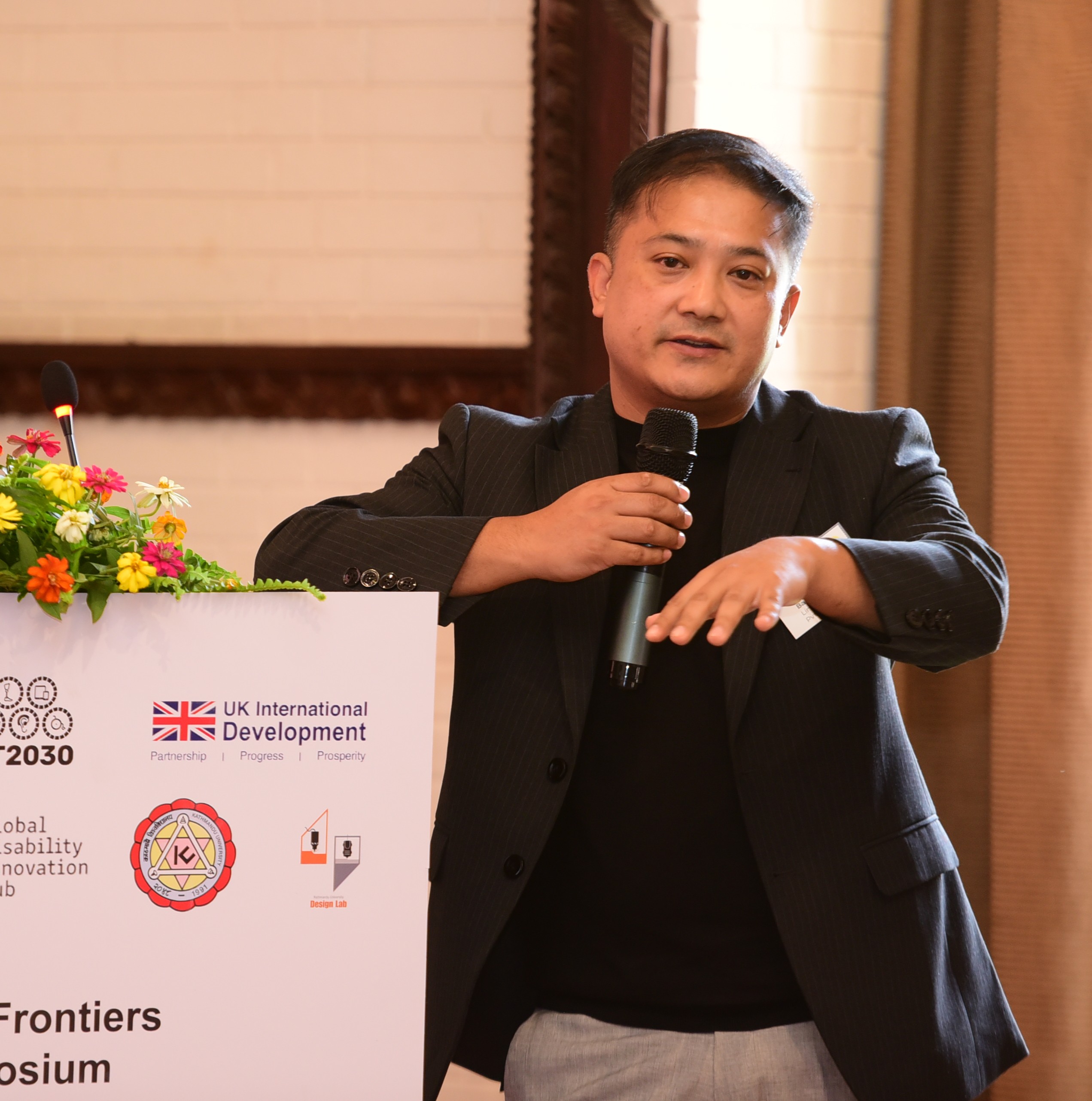
Amit Ratna Bajracharya
Amit’s presentation highlighted the urgent need to strengthen prosthetics and orthotics services in Nepal through context-driven innovation, affordability, and sustainability.
Illustrating practical innovation, Amit shared how his team replaced imported $40 to $50 prosthetic suction valves with a locally sourced aquarium valve costing just nine cents, offering identical performance. Such examples show how appropriate technology and creative problem-solving can enhance accessibility and reduce dependency on imports.
Concluding, Amit emphasised the importance of scaling local innovation through global collaboration, skill transfer, and local ownership. True sustainability, he argued, depends on embedding innovation into Nepal’s standard care pathways and empowering communities to lead their own progress.
Balancing local innovation and global imports: A local company’s perspective on AT access in Nepal
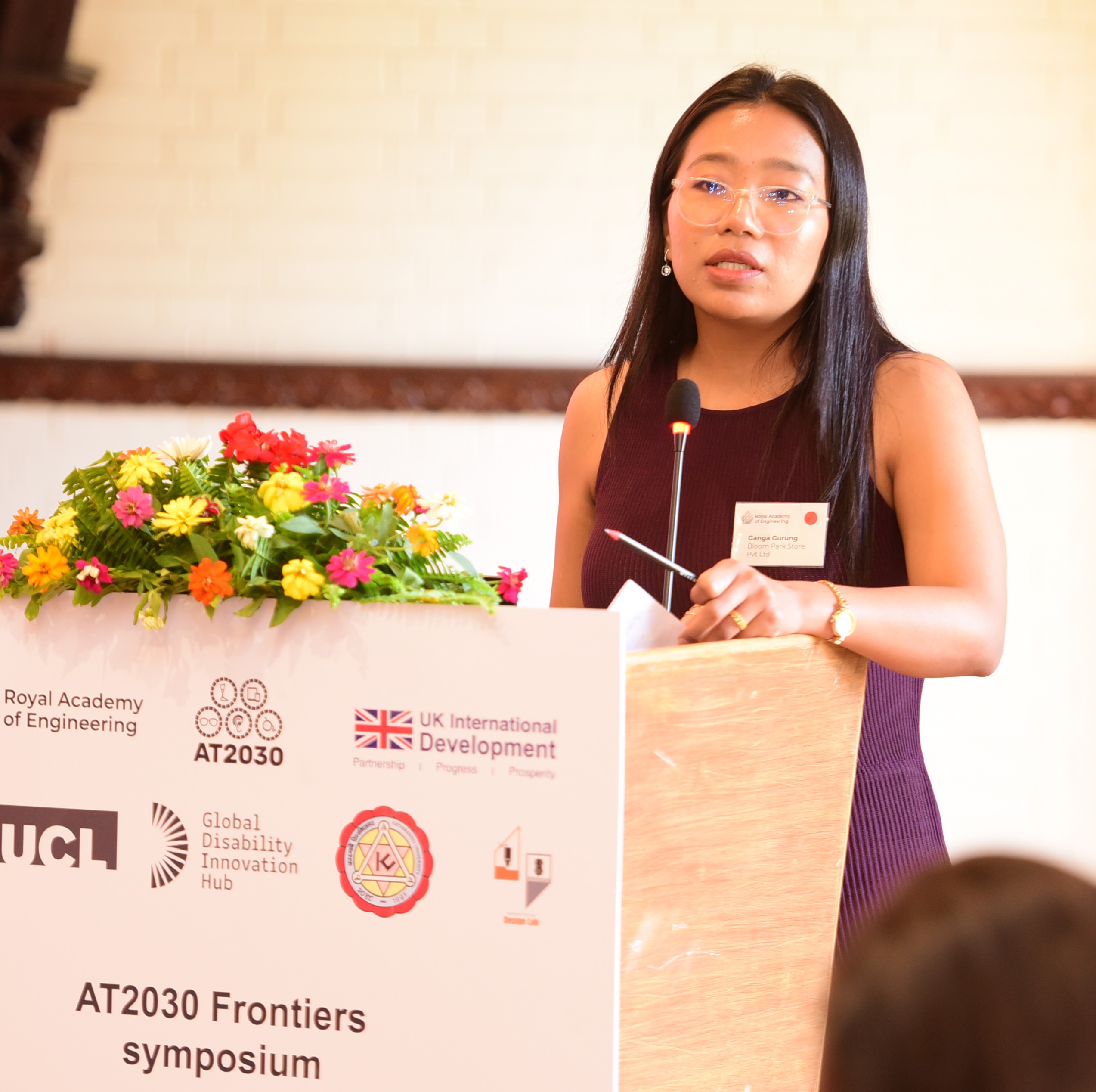
Ganga Gurung
Ganga Gurung delivered a compelling presentation describing Nepal’s unique position between global imports of high-end assistive devices and locally developed, affordable innovations, underscoring the need to bridge this divide to ensure inclusive access for all.
Her model, “Global design, local production”, integrates international best practices with local craftsmanship, ensuring sustainability, affordability, and cultural fit. Bloom Park operates alongside Bloom Park Clinic, Nepal’s first paediatric occupational therapy centre, which hosts the country’s largest multidisciplinary rehabilitation team.
Through a SWOT analysis, Gurung highlighted strengths in skilled human resources and community trust, while noting ongoing challenges in capital, scalability, and supply– demand balance. She concluded that assistive technology transcends devices, embodying empathy, inclusion, and creative problem-solving. Bridging global expertise with local ingenuity, she emphasised, is key to enabling every child to participate meaningfully in life and learning.
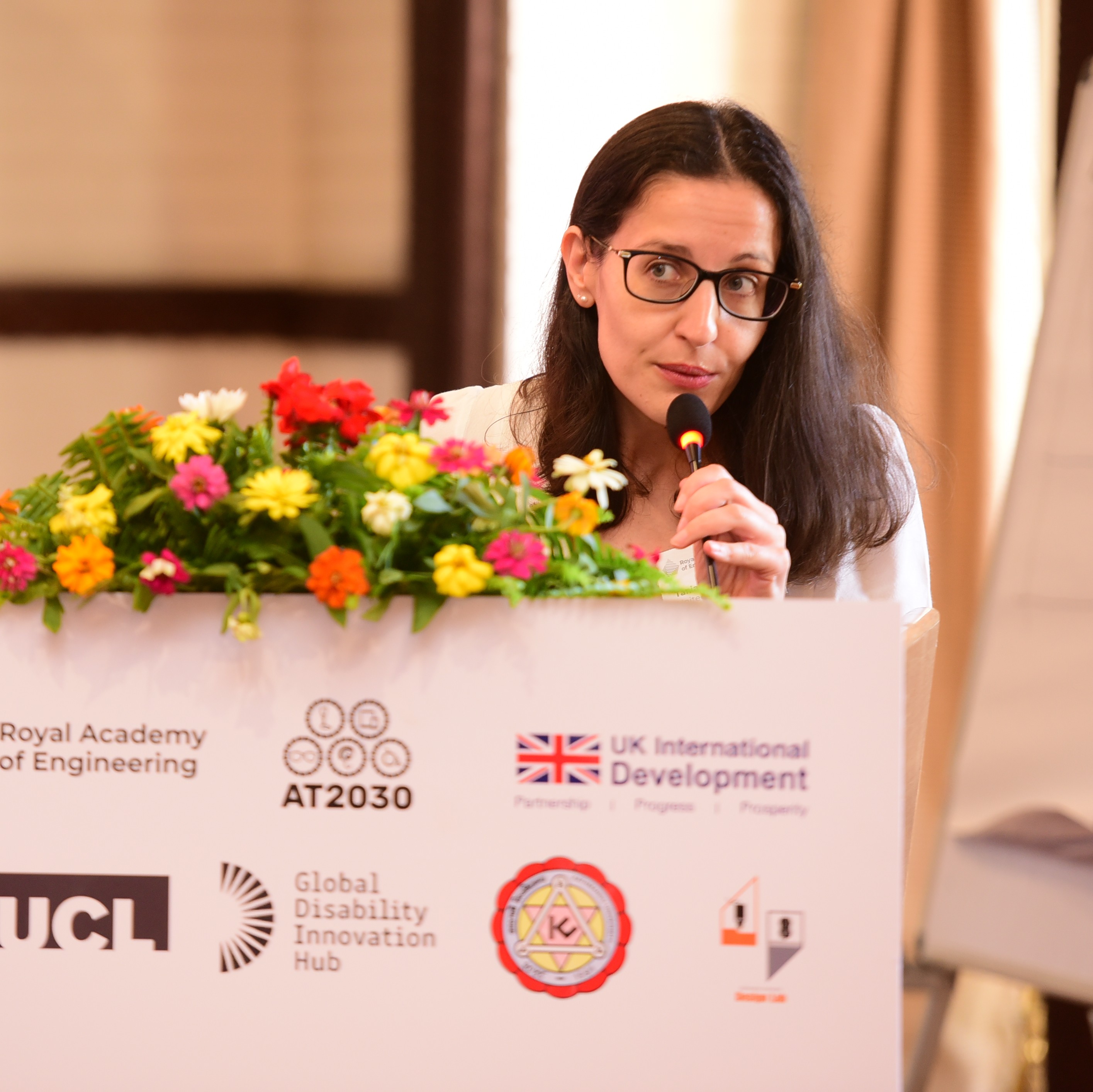
Accessible Digital Textbooks (ADTs) for All Initiative. Inclusive education for every learner, everywhere
Tania González Veiga
González Veiga reviewed the importance of inclusive education through the lens of technology and systemic transformation. She highlighted the global challenge – over 240 million children worldwide live with disabilities, and nearly half of them who are out of school. Even those who do attend often still face barriers due to inaccessible learning materials.
The Accessible Digital Textbooks (ADT) initiative, implemented in various countries including Nepal, aims to close this gap by ensuring equitable access to education. Veiga explained that ADTs go beyond digitising print textbooks; they are designed to be born accessible, incorporating audio narration, sign language, image descriptions, subtitles, and interactive exercises. This approach allows children with diverse learning needs and preferences to learn side-by-side using the same content.
González Veiga concluded by encouraging Nepal to adopt a similar approach, embedding accessibility and inclusivity at t
Keynote Speakers
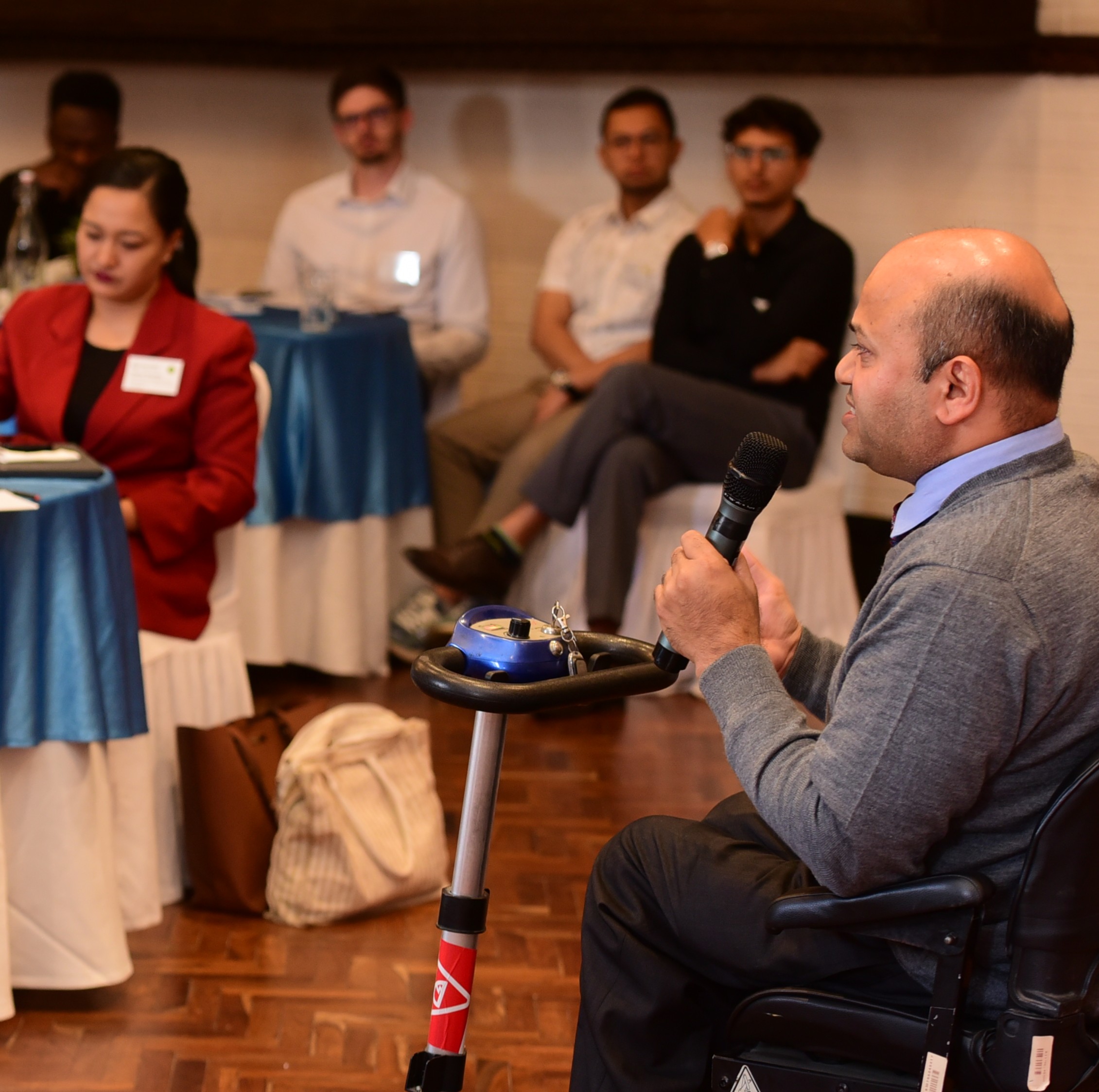
Dr Raju Dhakal - Spinal Injury Rehabilitation Center, Nepal
Dr Raju Dhakal’s keynote address opened with a personal story of patience and perseverance, recalling early childhood memories of an illness that led to limited activities, his search for inspiration at a children’s home where he finally had access to the medical attention he required. But more importantly, he discussed how he was able to get an education and commit to uplifting others in similar situations. Despite the barriers he faced as a person with a disability, Dr Dhakal went on to become a doctor. In his first year of practice, he was confronted with a glaring gap in Nepal’s medical field. Rehabilitation was severely undervalued and therefore not accessible in Nepal. This inspired him to make it his cause to bring such critical service to those in need.

Inclusive education, accessibility, and post-discharge support in Nepal
Panelists
- Dr Rabindra Baskota, Leprosy Control and Disability Management Section, Ministry of Health and Population
- Kanak Mani Dixit, Founding Chairperson, Spinal Injury Rehabilitation Center
- Dr Birendra Raj Sharma Pokhare, Abilis Country Coordinator for Nepal
The panel, moderated by Professor Pramod Shrestha addressed major systemic gaps in Nepal’s disability and inclusive education landscape. Speakers highlighted that despite progressive policies such as the Inclusive Education Policy (2017) and the National Education Policy, implementation remains weak due to political instability, fragmented responsibilities, and a continued reliance on segregated education models. Additionally, technology integration in education is limited, with poor coordination between ministries leading to underutilised resources even when provisions exist.
The discussions closed with reflections on transitioning from donor dependency to locally driven solutions – calling for the need to ensure sustained investment and policy guidance through the well-resourced but perhaps less concerned local tier of the government.
Interested in the next Frontiers symposium?
Frontiers connects and empowers enthusiastic researchers, innovators and practitioners from the UK and around the world to work together on new ways to solve complex global challenges.
More Symposia reports
Browse resource libraryAgriculture, big data and the knowledge economy
The event brought together 66 early- to mid-career researchers to share ideas and discuss development challenges arou…
Empowering resilience: integrating innovation, sustainable communities, and climate adaptation strategies
Delegates from different disciplines and 19 countries came together to explore innovative climate adaptation approaches…
Systems approaches in a just energy transition for equitable access
Delegates from different disciplines and 23 countries came together to discuss how systems approaches can support the t…